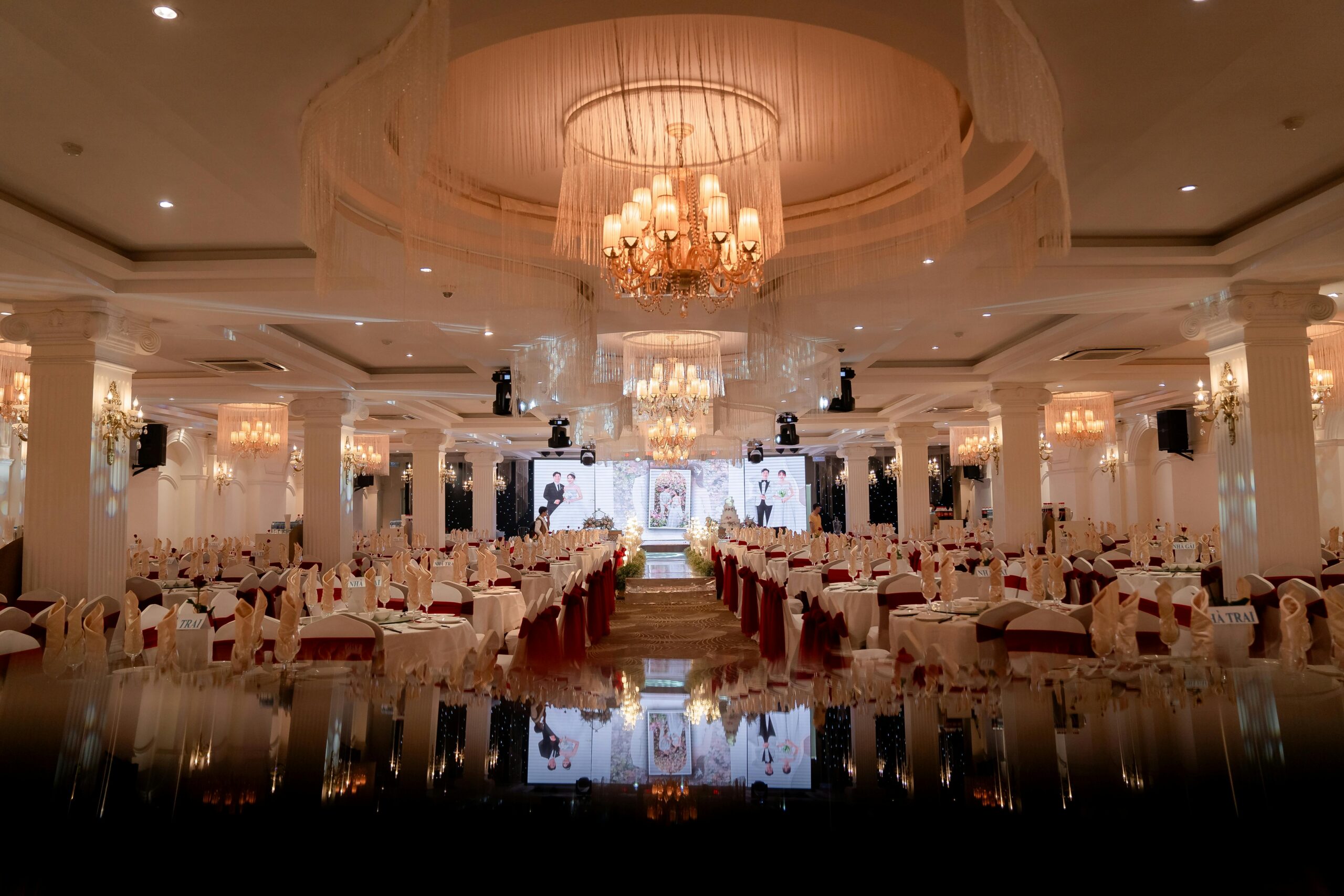
Most “surprise” wedding costs in the Houston area come from one place: assuming the venue rental fee includes labor, rentals, and logistics when it really only covers the room and the hours. If you’re comparing wedding venue rentals in Houston, this guide will help you understand what the wedding venue rental actually includes, which services cost extra, and what details you should confirm in writing before signing a contract. Start With the Key Distinction: Venue Rental vs. Full-Service Venue A venue rental is usually space plus time. You’re paying for access to the ceremony space, reception hall, and any other areas listed, for a defined block of hours. A full-service venue is different because it bundles more of the wedding into event packages. That can include catering, bar service, staffing, rentals, and sometimes day-of coordination. The tricky part of a wedding venue rental is that a lower base price can quickly turn into a higher total cost once you add tables, chairs, linens, staffing, security, and cleanup services. Many couples compare wedding venue rentals by the rental fee alone and overlook required add-ons that significantly increase the final budget. Set expectations early during the wedding venue rental process by requesting a detailed line-item breakdown before signing the contract. If a venue cannot clearly explain included services, optional upgrades, and mandatory fees, the wedding venue rental may create planning and budgeting problems later. A Quick Checklist to Classify Any Houston Venue Offer Ask one direct question about the wedding venue rental: does the price include food and bar service, staffing, rentals, and coordination, or does it only cover the room and event hours? Then confirm the wedding venue rental inclusions in writing. Request a list of included services, exclusions, required vendors, and the preferred vendor list if the venue provides one. If the wedding venue rental requires in-house catering, a specific bar team, or a designated AV company, include those costs in your total budget. Required vendors can raise the final wedding venue rental cost just as much as the base rental fee. For a clearer way to compare venue pricing, this guide to Houston wedding venue costs breaks down the major pricing factors based on season, guest count, and included services. What Spaces Are Typically Included (and How to Confirm Access) Most Houston wedding rentals include some combination of: Some wedding venue rentals advertise multiple ballroom spaces, but the contract may only include one event room. Ask which areas the wedding venue rental reserves exclusively for your event and which spaces guests may share with other events happening at the venue. Houston weather makes indoor vs. outdoor details matter. If you love an outdoor ceremony space, confirm the indoor venue option (weather-proof) and how quickly the venue can flip to the backup plan. Guest flow is another detail that’s easy to miss on a tour. Ask where guests enter, where they queue, where they mingle during cocktail hour, and how they transition into the ballroom without bottlenecks. Ballroom Layout Reality: Capacity vs. Comfort Two wedding venue rentals may both advertise a capacity of 200 guests, yet one ballroom feels spacious while the other feels overcrowded. The difference usually comes down to dance floor size, buffet placement, bar setup, and whether the wedding venue rental has enough room for a stage or live band. Request a sample floorplan for your actual guest count and preferred table style before booking the wedding venue rental. Round tables, long banquet tables, and mixed seating layouts all change the footprint and guest flow inside the ballroom. If you want a better understanding of ballroom capacity, this guide to ballroom wedding capacity explains what affects guest comfort, traffic flow, and overall layout beyond the number listed in the venue brochure. If you’re planning a wedding for around 100 guests, this guide to 100 guest wedding venues in Houston can help you compare layouts, guest flow, and ballroom sizes that work well for that event size. Bridal Suite and Groom’s Lounge Details That Matter A bridal suite and groom’s lounge can improve the overall wedding venue rental experience, but the details matter. Confirm whether the wedding venue rental includes private access, mirrors, restrooms, seating, electrical outlets, and permission for food and drinks inside the suites. Ask when the wedding venue rental opens the bridal suite and groom’s lounge on event day. Some venues only provide access shortly before guest arrival, which may force the wedding party to get ready off-site. Also confirm whether the wedding venue rental includes the suites in the base price or charges them as add-ons. Some venues include a basic holding room but charge extra for a larger bridal suite with upgraded finishes and additional amenities. Time, Access, and the Fine Print on Hours Most venue rentals are sold as a time block, not “the whole day.” That block has to fit setup time, guest arrival, ceremony, reception, and breakdown. A typical timeline might include: Overtime fees are where budgets get squeezed. Ask the venue’s hard stop times for music cutoff, bar cutoff, and final venue exit time, since they may differ. Also confirm whether early access is included. If your florist needs two extra hours for an installation, that can mean either paying overtime or paying for an earlier start. Vendor Access and Load-In Logistics Vendor access may not sound important during a venue tour, but it can completely affect a wedding venue rental on event day. Ask about loading docks, freight elevators, door widths, and the distance between vendor parking and the ballroom entrance. Confirm the wedding venue rental load-in and load-out rules, including vendor parking access and whether vendors must move vehicles after unloading equipment. If the wedding venue rental sits in a busy downtown corridor or a tight urban location, these restrictions can impact the entire event timeline. Many wedding venue rentals require insured vendors. Ask what insurance coverage the venue requires and whether vendors must provide a certificate of insurance before the wedding day. Furniture, Rentals, and What “Included Tables and Chairs” Really

Questions to Ask Before Booking a Ballroom Wedding Venue in Houston
A ballroom wedding venue Houston couples choose can photograph beautifully and still create real problems once guests, vendors, and a wedding timeline enter the room. Working through Questions to Ask Before Booking a Ballroom Wedding Venue helps couples test how the space will function, not just how it looks. That distinction usually determines whether the night feels smooth or stressful. This guide covers the venue checklist that matters most in Houston, from parking and guest flow to contracts, climate control, and ceremony-to-reception logistics. It is built for couples comparing a weather-proof venue, multiple elegant ballroom spaces, or a centrally located Houston venue with practical standards instead of guesswork. Start With Your Non-Negotiables Before You Tour Before any venue tour, define what cannot be compromised: guest comfort, timeline flexibility, photo-friendly interiors, or all-inclusive convenience. Couples who skip this step often confuse aesthetic preference with operational fit, which is why a ballroom that feels luxurious online can still fail under real event pressure. Bring a guest count range and a target budget that separates the rental fee from total event spend. That distinction matters because many couples underestimate how quickly staffing, rentals, décor, teardown time, and event insurance can expand the actual cost beyond the base number. In Houston, humidity and sudden weather shifts make an indoor ceremony option more than a backup for many weddings. A weather-proof venue with flexible event layouts protects the timeline, protects hair and makeup, and reduces the risk that outdoor plans force expensive last-minute changes. Grand Central Houston sees this issue often in practice: couples initially focus on finishes, then realize room flexibility and indoor coverage matter more once they map the day hour by hour. Platforms like The Knot are useful for broad discovery, but your own non-negotiables should guide the shortlist. Quick Pre-Tour Checklist to Bring With You Bring five things to every venue tour: your guest count range, ceremony type, preferred date window, target budget, and a written must-have list. A written list prevents attractive design details from distracting you from operational questions. Your must-haves should include ADA access, a getting-ready suite, parking expectations, vendor load-in details, a preferred caterer policy, and whether the venue has a loading dock. Those items sound secondary during a tour, but they directly affect comfort, timing, and whether vendors can execute the plan you are paying for. Questions About Ballroom Layout, Flow, and Flexibility Ask the venue how the ballroom handles real movement, not just seated capacity. Guest flow is where many receptions break down, because bar lines, cocktail congestion, restroom traffic, and a large band setup can turn a polished floor plan into a crowded room. Confirm capacity for your exact layout, including dinner tables, dance floor, stage, DJ or band setup, bars, and sweetheart or head table placement. A ballroom listed for 250 guests may only feel comfortable for 180 once entertainment and service space are added, which is why layout-specific numbers matter more than marketing capacity. Ask whether the room can be reconfigured if your headcount changes. Ballrooms with a bridal suite nearby and adaptable floor plans usually absorb guest count shifts better than rigid rooms, and that flexibility protects both budget and experience. For layout planning, it helps to compare examples such as ballroom wedding layout houston and ballroom wedding capacity houston. Sample plans reveal whether the room actually supports your assumptions. Room Transitions: Ceremony-to-Reception Without Chaos If the same ballroom hosts both events, ask exactly how a ceremony-to-reception flip works. The critical questions are where guests go, how long the transition takes, whether there is a groom suite or holding area, and who supervises the reset. A venue that handles flips well protects momentum and keeps guests from standing in hallways while staff move chairs around them. If the planner or outside vendors must manage the transition alone, timeline delays become much more likely. Sightlines, Acoustics, and Lighting (The “Feels Great” Factors) Sightlines determine whether guests feel included or detached from the wedding reception. Ask what guests at back tables can see during vows, toasts, and the first dance, because poor visibility weakens the energy of even a beautifully designed room. Acoustics matter just as much as décor in a ballroom. Ask about echo, sound limit policies, microphone support, and whether uplighting or pin-spotting is allowed, because strong acoustics and controlled lighting create the luxury wedding atmosphere guests notice immediately. Questions About Capacity, Comfort, and Guest Experience Ask for the comfortable capacity, not the absolute maximum. Comfortable capacity accounts for table spacing, dance floor size, DJ setup, service aisles, and an indoor venue option for weather-proof planning, which is why it is the number that predicts how the room will actually feel. Restrooms deserve direct questions because they shape guest comfort more than couples expect. Confirm restroom count, queueing space, and whether older guests can reach seating and facilities without stairs, long walks, or bottlenecks. In Houston, HVAC performance is not a minor detail. A full ballroom with lighting, catering activity, and dancing can expose weak climate control quickly, so ask how the system performs at peak occupancy. Accessibility and Inclusivity Details to Verify Verify ADA routes from parking to ceremony and reception spaces, along with elevators, ramps, and each accessible restroom. A ballroom described as ideal for small to large guest counts still fails part of the guest list if mobility needs were not considered from arrival through departure. Ask about service animals, mobility devices, and seating flexibility for guests who need more space or shorter walking distances. Inclusive planning is not only a compliance issue; it is a practical way to reduce stress for families. Questions About Parking, Arrival, and Houston Logistics Parking can shape the first and last impression of the event. Ask how many on-site spaces exist, whether overflow parking is nearby, and how valet or rideshare traffic works during peak arrival times. Houston traffic patterns make location strategy as important as décor. A centrally located Houston venue may be convenient for Houston weddings and events, but you still need