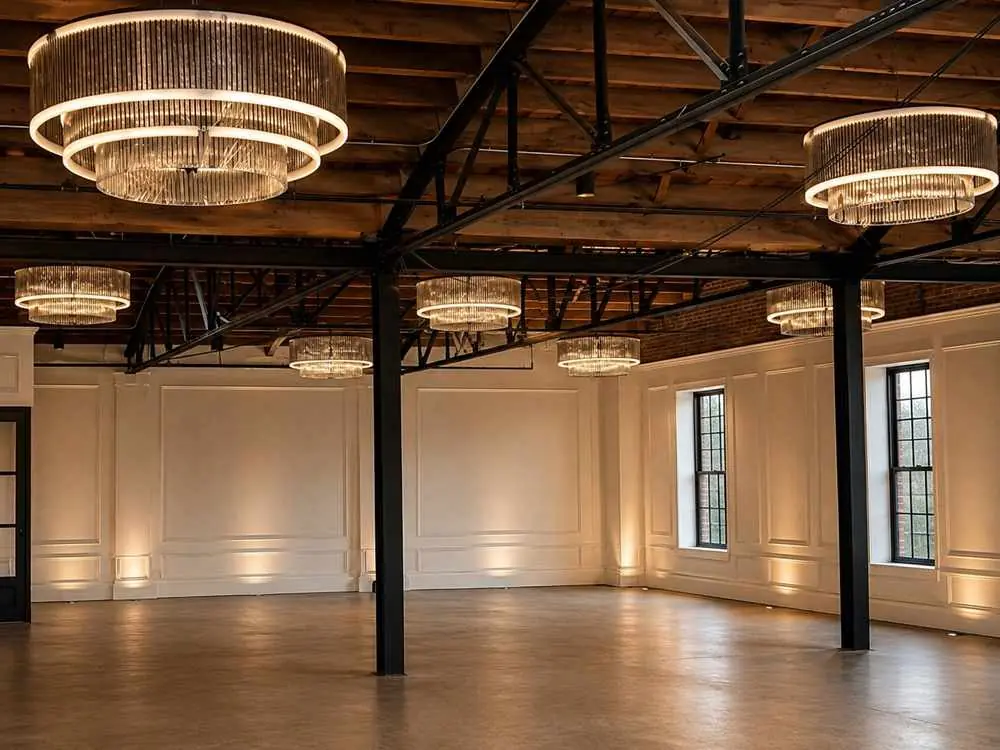
A working Houston gala venue layout has to hold three separate events in one night. Check-in, silent auction, and seated program each want different things from a floor plan. Most committees don’t ask whether a room can do all three until the walkthrough is over. Rooms that only manage two are why your 6:00 arrival turns into a 7:40 salad course. The fix is almost never more square footage. A Houston gala venue layout works or fails on how the space is divided, where the doors are, and what happens in the twenty minutes nobody plans for. Start With the Arrival Curve, Not the Guest Count A 400-guest gala does not arrive as 400 guests. It arrives as roughly 40 people in the first fifteen minutes. Then 260 in the next half hour. Then a long tail of stragglers who show up during the invocation. That middle block is what breaks check-in. Plan for it directly. Assume 60–65% of your total headcount walks through the door inside a 30-minute window. If you’re expecting 400, build check-in to absorb 250 people in 30 minutes. Standard throughput for a check-in station runs about 25–30 guests per hour when the card is already on file. That’s one guest every two minutes per station. The process has to stay clean: name lookup, card confirmation, bid number, table card. It also assumes your volunteers aren’t fielding “can I switch tables” questions. Do the math and it gets uncomfortable. 250 guests in 30 minutes at 30 per hour per station means ten stations. Most committees build four, then wonder why the line reached the sidewalk. Two Fixes That Cut Your Station Count Alphabetical splits. Break stations by last name — A–F, G–L, M–R, S–Z. Post the signage above head height so people sort themselves before they’re in line. This alone cuts effective wait time by a third, because the queue self-distributes. Pre-assigned bid numbers, mailed or emailed in advance. If the guest already knows they’re bidder 214, the volunteer is confirming a name and handing over a packet. That’s a 40-second interaction instead of two minutes. It roughly doubles your per-station throughput. There’s a third lever worth naming: an express lane for sponsors and table captains. Sponsor tables are usually 20–30% of the room. They’re also the guests you most want to feel taken care of. A dedicated table with a named volunteer who knows the sponsor list keeps your major donors out of the crush. Where Check-In Sits in Your Houston Gala Venue Layout The mistake is putting check-in inside the room where the auction lives. Guests who clear the table immediately stop walking and start browsing. The line backs up into itself. Check-in belongs in a lobby, corridor, or entry space physically separate from the auction. Flow should run one direction, from check-in into the auction area. Guests should never walk back through the check-in line to get anywhere. At Grand Central Houston, the entry sequence is built around that separation. It’s one practical reason committees plan a Houston gala venue layout in a purpose-built space instead of a hotel function room where check-in and cocktails share a hallway. Silent Auction: Separate Room or Dinner Room? This is the single biggest decision in any Houston gala venue layout. The honest answer depends on what you want the auction to earn. The Case for a Separate Space Putting the auction in its own Space during cocktail hour concentrates attention. Guests have a drink, no chairs, and nothing else to do but look at items. Bidding activity per guest runs meaningfully higher when there’s no competing seating to sink into. It also solves your changeover problem. If the auction lives in a different room than dinner, your catering team can set and light the dinner room while guests are occupied elsewhere. Nobody watches banquet staff drag chairs around. You don’t have to clear a cocktail crowd out of a room you need to reset. The trade-off is that you have to physically move people. That costs time and creates a second crush at the dinner room doors. The Case for One Room Auction tables lining the perimeter mean guests keep bidding between courses. Late bidding — the last twenty minutes before close — is where a large share of the final total gets made. Proximity drives it. The cost is atmosphere. Perimeter auction tables push dinner tables toward the center and make the room feel tighter. Service gets harder too, because waitstaff need aisles exactly where auction traffic wants to be. The Version That Usually Works Split it. Put the bulk of your items in a separate Space during cocktail hour. Move six to eight high-value pieces into the dinner room on tall cocktail rounds near the perimeter. Close the outer-room items at the start of the program. Hold the in-room items open through the first course. You get concentrated cocktail-hour browsing plus a late-bidding tail on the pieces that matter most. Table math for the auction itself: allow one 6-foot table per 8–10 items, depending on item size. Add 4 feet of clear circulation behind each row. Sixty items means 6–8 tables and a footprint much larger than the tables themselves. Committees consistently underestimate circulation. The result is a room where nobody can read the bid sheets, because there’s always a shoulder in the way. Mobile bidding changes this equation but doesn’t erase it. Guests still want to see and touch the items. You need the same display space, just fewer clipboards. Sightlines: The Back Table Test Run this test before you sign anything. Walk to the farthest table position from where the podium will stand. Sit down. Look at the podium. If you’re looking at the back of a centerpiece, a column, or a screen edge, you’ve found your problem. The people at that table are your smallest donors tonight and your prospective major donors next year. You’re about to give them 45 minutes of someone’s shoulder. Four Thresholds Worth Measuring A room with clean sightlines to a single focal point beats a bigger room with a post in the middle. Our Vanderbilt and Madison Spaces are worth walking with the back-table test in mind. Sponsor Signage: Four Placements That Get Seen Sponsors renew based on whether they felt visible. Signage placement is a fundraising decision, not a decor decision. The check-in wall. Every guest stands in front of this for two to six minutes with nothing else to look at. It’s the highest-attention surface at the event. It’s routinely wasted on a plain step-and-repeat carrying only the organization’s logo. Auction table headers. Card stock signs at the head of each row, naming the sponsor underwriting that category. Cheap, effective, and it gives mid-tier sponsors something concrete. Stage-adjacent panels, not the backdrop. Logos directly behind a speaker read as clutter in photographs and get cropped out of anything usable. Flanking panels at the edges of the stage survive the crop and stay legible from the back. The program running order. Verbal recognition, one line per tier, spoken by the emcee rather than read off a list. Sponsors remember being named out loud. They don’t remember a logo
What to Look for in a Houston Conference Venue: Room Setups, AV, and Timing
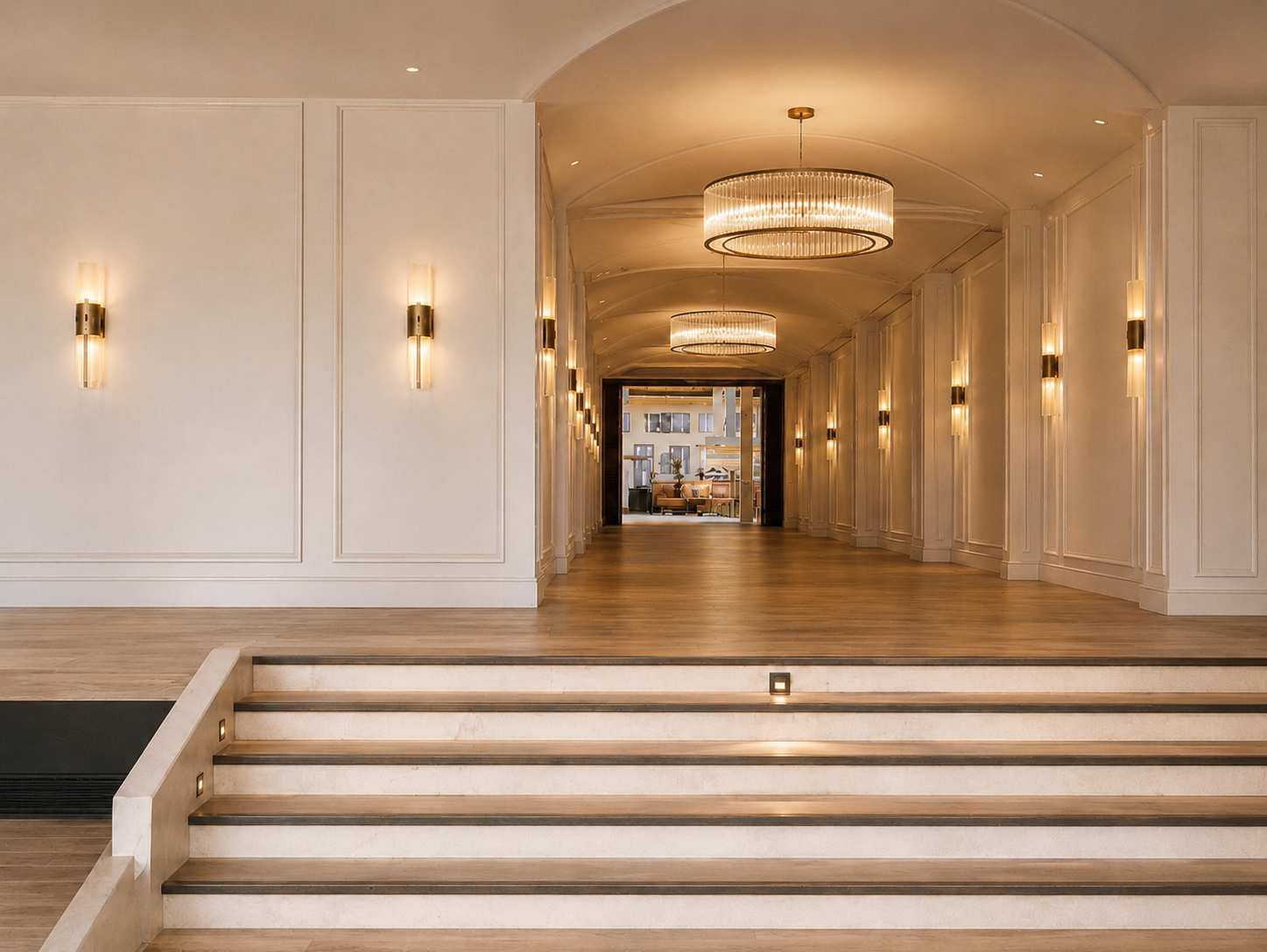
Choosing a Houston conference venue comes down to three things most planners don’t ask about until it’s too late: how the room is actually set, what the AV package really includes, and how many hours you have before doors open. Square footage tells you almost nothing on its own. A room that seats 300 in theater rows might hold 120 at rounds with a buffet. The gap between those two numbers is where budgets break. Here’s how to evaluate a space for a business program, and what to get confirmed in writing before you sign. Start With the Setup, Not the Headcount Capacity is a function of layout. Ask any venue for capacity “by setup,” not a single number. Theater Rows of chairs facing a stage, no tables. Highest capacity of any setup. Works for keynotes, all-hands meetings, and product announcements where nobody needs to write or eat. Guests won’t tolerate it much past 90 minutes without a break. Classroom Chairs at narrow tables facing forward. Cuts theater capacity by roughly half, sometimes more. Necessary for training sessions, certification programs, and anything where attendees take notes or work on laptops. Ask about power access at the tables — this is the single most common oversight in classroom setups. Rounds 60-inch or 72-inch round tables, typically eight to ten guests each. This is your setup for awards programs, conference luncheons, and any session that includes a seated meal. Rounds eat the most floor space per person. If your program moves from a general session into a plated lunch, you’re either changing the room over between segments or setting rounds from the start and losing capacity for the whole day. U-Shape and Hollow Square Board-style configurations for executive sessions, panel discussions, and working groups. Practical up to about 30 people. Past that, attendees at the far ends can’t hear or see each other, and the format stops doing its job. At Grand Central Houston, our spaces are configured to your program rather than locked into one arrangement. Tell us the setup you need and we’ll give you the working capacity for it. How Many Breakout Rooms Do You Actually Need? Most planners underestimate this. If your agenda has concurrent tracks, you need a separate room per track running at the same time — not a divided main room, unless you’ve confirmed the divider is a solid acoustic wall and not a fabric partition. Sound bleed between sessions is the fastest way to lose a room’s credibility. Ask three questions: That last one matters more than it sounds. If your team is flipping the main space from theater to rounds during the 2 p.m. breakouts, you need breakout rooms far enough away that attendees don’t hear the chairs move. Grand Central Houston has multiple rooms across the property. Our Vanderbilt and Madison spaces handle general sessions, with additional rooms available for concurrent tracks. Registration and Check-In Flow The first ten minutes of a conference set the tone for the whole day. Walk the arrival path before you book: where guests park, where they enter, where the registration tables sit, and where the line forms while people wait. What to look for: A venue with a beautiful main room and a cramped entry will make your event feel disorganized before the first speaker takes the stage. AV: Confirm What’s Included in Writing This is where conference budgets quietly expand. “AV available” can mean a projector and a screen, or it can mean a full production package with a technician on site. Get the specifics itemized in your proposal. Confirm each of these: We’ll walk you through our AV setup on your tour and put the specifics for your program in writing. Load-In, Setup, and the Hours You Actually Get Your contracted hours and your usable hours are two different numbers. A ten-hour rental that starts at 7 a.m. gives you a 9 a.m. start only if the room is already set when you arrive. Get these in the contract: Freight access matters for conferences specifically. If you’re bringing in pallets of materials, printed programs, or exhibit displays, ask about the loading entrance and whether there’s a dock or ground-level access. Catering for Half-Day vs. Full-Day Programs A half-day program typically needs a coffee service on arrival and one break. A full day needs arrival coffee, a mid-morning break, lunch, an afternoon break, and often a reception at close. Each of those has a service format and a space requirement. Considerations that affect your room: Ask whether the venue provides catering in-house, works from an approved vendor list, or allows outside caterers, and what the bar policy is if your program ends with a reception. Food and beverage is one of the largest lines on any conference budget — our guide to what it costs to rent a corporate event venue in Houston breaks down how it stacks against the rest. Parking and Weekday Arrival Business attendees arrive within a 20-minute window and they arrive by car. A venue with beautiful rooms and 40 parking spaces will produce a late start. Confirm parking capacity, whether it’s dedicated or shared, and what valet costs if you want it. Ask about rideshare drop-off — for programs ending with a bar reception, a clear pickup zone matters. Location shapes attendance more than planners expect. Grand Central Houston sits at 1102 Sampson St in EaDo, minutes from downtown and close to the George R. Brown Convention Center. That proximity works two ways: easy access for attendees staying downtown, and a useful option for satellite programming when a larger show is in town. It also means checking the citywide calendar — Visit Houston lists major conventions, and hotel rates for your out-of-town attendees move with them. On-site parking is available for your attendees, and we offer valet service. What to Ask on a Conference Venue Tour Bring this list. Score each answer as clear, partial, or vague, and ask for the important ones in writing. Frequently Asked Questions How far in advance should I book a Houston conference venue?

What a Nonprofit Gala Really Costs in Houston — and What Eats Into What You Raise
The Houston nonprofit gala cost that ends up on your reconciliation is rarely the one anybody discussed in a committee meeting. Every development director has had this conversation. The gala grossed $310,000. Applause, photos, a very nice write-up in the spring newsletter. Then somebody opens the books three weeks later, sees $118,000 in net, and asks where the rest of it went. Nothing went wrong, either. The night cost exactly what it was always going to cost, and nobody had written that number down in one place. Start with net, not gross Gross is the number that goes on the slide at the next board meeting. Net funds the work. Before anyone prices a ticket or holds a date, set your net revenue target. Then set a gross target your donor base can actually hit. The gap between those two figures is your entire production budget, and you build backward from it. Planners running large fundraising dinners generally try to keep total costs somewhere in the neighborhood of 20 to 30 percent of gross. Broader nonprofit guidance says much the same thing a different way: an expense ratio at or under 35 percent, or two to three dollars raised for every dollar spent. Galas often land above other fundraising channels, and that can still be the right call, since a room full of major donors is worth more than the ledger shows. What you don’t want is to learn your ratio in April. Your cost to raise a dollar is also a figure that watchdog sites and sharp-eyed donors look up. Where your Houston nonprofit gala cost actually goes Food and beverage Biggest line by a wide margin. Plated, staffed dinner service for a gala tends to get quoted between $55 and $130 per person, and Houston sits comfortably inside that range. Buffet or stations come in lower. The swing has less to do with the menu than with the choreography: putting 200 hot plates on tables at the same moment takes roughly one server for every 12 to 15 guests, two to three times what a buffet needs. Bar Budget this separately or it will get you. Hosted open bar can run nearly as much per head as dinner does. Consumption bars look cheaper on the quote and frequently aren’t. Beer, wine, and one signature cocktail protects the most net without feeling stingy. Venue rental Fee structures vary. A few Houston spaces charge flat rental. Others fold rental into a food and beverage minimum. Plenty are cheap to book and expensive once you’ve paid for everything the room doesn’t include. Ask what the number covers: tables, chairs, linens, setup and breakdown labor, load-in window, security, parking, cleaning. Production and AV Stage, screens, projection, lighting, microphones, and a technician who stays through the whole program. A modest package might be a few thousand dollars. Full production with room wash, custom gobos, and a donor video can pass $25,000 without anybody trying. “We’ll figure it out later” costs more here than anywhere else on the budget. Décor and rentals Centerpieces, chargers, upgraded linens, lounge furniture, signage, easels. Scope creeps in this category faster than any other. The linen upgrade is $9 a table right up until you have 30 tables plus a delivery fee. Auction and program Bidding software, item procurement, consignment packages, printing, and card processing on every dollar that runs through the platform. Processing alone usually takes 2.5 to 3.5 percent off card revenue. On a $300,000 night, that’s real money. The quiet ones Invitations and postage. Insurance. Valet, security, photography, entertainment, staff overtime. A contingency of 5 to 10 percent of projected expenses, which becomes net if you never touch it. The line items that eat into what you raise Five things inflate a Houston nonprofit gala cost after the contract is signed, and none of them show up in the headline quote. Service charge is not gratuity. Twenty to 25 percent on food and beverage is standard, and it is not a tip. Ask flatly whether gratuity is included, expected, or billed separately. Guessing wrong on a $40,000 food and beverage bill is an $8,000 error. Sales tax. Houston’s combined rate reaches 8.25 percent, and most venues apply it to the service charge as well as the food. Texas does allow qualifying exempt organizations a limited number of tax-free sale days per year, though the rules get specific about item values and what counts. The Texas Comptroller’s guidance for nonprofit and exempt organizationsis the reference. Your CPA is the person who confirms it. Guarantees and attrition. Final headcount goes in 72 hours out, and you pay on that number whether or not every seat fills. No-show rates of 5 to 10 percent are ordinary at galas. Guarantee to the realistic figure rather than the hopeful one. Sponsorships that never closed. Most gala budgets break here, not on overspending. A $25,000 presenting sponsorship verbally committed in September and still unsigned in January will do more damage than every décor decision combined. Build on confirmed revenue and treat the pipeline as upside. The deductible portion of a ticket. When a donor pays $250 and receives a $90 dinner, only part of that payment is deductible, and your organization has to say so in writing. IRS rules on quid pro quo contributions set the threshold at $75 and attach penalties to missed disclosures. Nothing about this costs you money directly. It costs you donor trust when it goes wrong, which is worse. Bringing a Houston nonprofit gala cost back down Pick the date against the calendar, not your convenience. Gala season here clusters hard in spring and again in fall. Off-peak dates and weeknight events routinely come with better rates and far better vendor availability. Right-size the room. Two hundred guests in a space built for 500 reads as thin and costs a fortune to fill with décor. The same 200 in a room scaled to them reads as full. At Grand Central Houston, Vanderbilt, Madison, and Biltmore work individually or in combination, so the footprint follows the guest count instead of the
What Does It Cost to Rent a Corporate Event Venue in Houston?
Planning a corporate event venue in Houston and trying to pin down the cost? There isn’t a single number, so here’s the honest starting point: a small meeting room in Houston usually runs somewhere between $40 and $105 an hour, and once you move up to a real corporate event venue in Houston the market tends to land around $125–$130 an hour on average. For a full event of 100 to 200 guests with catering, bar, and AV rolled in, plan on $8,000 to $22,000. That’s the ballpark. The reason it’s a range and not a price tag is that the room rental is often the smallest line on the final invoice. Catering, staffing, audiovisual, service charges, and how many hours you actually get in the building usually decide what you pay. We run Grand Central Houston, an indoor venue with flexible rooms for events, so we’ve watched plenty of planners get surprised by a quote. Usually it’s because the cheap-looking option wasn’t cheap once everything got added back in. So this guide walks through how a corporate event venue in Houston prices its space, what tends to hide in the fine print, and what a realistic budget looks like. The short version Treat those as planning numbers, not guarantees. For example, a “$100 an hour” room can quietly exclude a cleaning fee, an overtime rate, a security requirement, a microphone, and mandatory staffing — none of which show up until the itemized proposal does. So do this before you compare anything: ask each venue for an itemized quote built around your actual date, guest count, format, and the hours you’ll really need. Because that one step tells you whether a lower rental rate is a real saving or just a lower headline. Houston also tends to work in your favor here. According to Visit Houston, total event costs in the city run roughly 20–30% below comparable Tier-1 cities, so a corporate event venue in Houston gives planners more room than they’d get in New York or Chicago. Why the room rate is the number to trust least Two venues can quote wildly different “prices” and be selling nearly the same thing. Or they can quote nearly the same price while selling completely different things. A rental fee buys access to the room, but a food-and-beverage minimum buys menu items. Those aren’t the same purchase, and comparing one against the other is how planners end up over budget. Here’s a quick read on how the cost tends to scale with size: Guest count Likely formats What moves the cost most 10–20 Conference room, small hotel room Hourly minimum, coffee, parking 30–75 Training room, restaurant private room, flexible space Catering, furniture, mics, staffing 75–150 Event room, gallery, reception space Layout, AV, bar, security, setup labor 150+ Large event room, buyout, convention space Production, staging, catering, load-out A 40-person training session might only need four to six hours in a plain meeting room. A 100-person reception, though, is a different animal: bigger space, more furniture, catering, bartenders, and a longer teardown at the end of the night. How a corporate event venue in Houston charges There are five pricing models in play around town, so knowing which one you’re looking at keeps you from comparing apples to invoices. One thing worth underlining: a service charge and a food-and-beverage minimum are not the same, and neither necessarily covers tax, gratuity, AV, or labor. So read what each fee actually pays for before you sign off on it. What pushes the price up or down Guest count, venue type, date, time, duration, layout, what’s included, and service level — those are the real levers. For instance, a seated dinner, a classroom-style training, and a standing cocktail reception all use the same room completely differently, and each needs a different amount of furniture, labor, and tech. Keep one distinction in mind, though: legal occupancy is not the same as comfortable capacity. A room rated for 200 people holds far fewer once you add a stage, a buffet, a bar, a registration table, and enough space for people to actually move. Date and time Saturday evenings in peak season are the priciest slots in Houston, and premium venues can list anywhere from roughly $10,000 to $15,000 — climbing higher in December when every company wants a holiday party on the same three Fridays. Weekday mornings and off-peak dates, however, are where the negotiating room lives. So if your event can flex to a Tuesday, you’ll usually feel it in the quote. Big conventions in town also ripple outward. Because hotel blocks, parking, and vendor availability all tighten when the George R. Brown Convention Center has a major show running, your dates matter more than they first appear. Location and access Downtown, Uptown/Galleria, the Energy Corridor, Midtown, and the Museum District carry convenience pricing because they sit near offices, hotels, and transit. Meanwhile, areas like EaDo, the Heights, and Spring Branch can offer more flexible formats or better rates. Don’t forget how your guests actually arrive. For example, a cheaper venue with no parking can cost you more once you’re covering garages or rideshare, while a spot near a METRORail stop quietly saves everyone the headache. In fact, Downtown Houston is one of the easier districts for attendees to get in and out of without a car. The costs that live outside the rental line This is where budgets go sideways, because most proposals leave off expenses that are essential to actually running the event. So run every quote against this list: Some of these are optional upgrades. Others, however, are non-negotiable — insurance, approved vendors, and security are often required the moment you serve alcohol or cross a certain headcount. The GRB’s meeting planner checklist is a good reference for the full sweep of what a large event touches, even if your event is a fraction of that size. Setup, breakdown, and overtime A four-hour program often needs eight to eleven hours of total building access once you count two to four hours of setup and about an hour of teardown. Many Houston

All-Inclusive vs. Venue-Only Wedding Packages in Houston: The Real Difference in Cost and Stress
Choosing between all-inclusive wedding packages in Houston and venue-only rentals is one of the biggest wedding planning decisions couples make — and the “cheaper” option is rarely the one with the lowest rental price on the quote. It’s the one with the fewest surprise line items, the simplest payment schedule, and the least room for vendor gaps that turn into last-minute spending and wedding-day stress. Nationally, couples hire an average of 13 wedding vendors and spend about $292 per guest, according to The Knot 2026 Real Weddings Study. Whether you bundle those vendors under one roof or manage them yourself is exactly the choice this guide All-Inclusive vs. Venue-Only Wedding Packages in Houston: The Real Difference in Cost and Stress Choosing between all-inclusive wedding packages in Houston and venue-only rentals is one of the biggest decisions couples make. And the “cheaper” option is rarely the one with the lowest rental price on the quote. It’s the one with the fewest surprise line items and the simplest payment schedule. It also leaves the least room for vendor gaps that turn into last-minute spending and wedding-day stress. Couples hire an average of 13 wedding vendors, according to The Knot 2026 Real Weddings Study. They also spend about $292 per guest. Whether you bundle those vendors under one roof or manage them yourself is exactly the choice this guide breaks down. You’ll see what each wedding package model includes. You’ll learn the real cost once you add catering, bar service, rentals, and coordination. And you’ll find out which approach fits your budget, guest count, and stress tolerance. What “All-Inclusive” vs. “Venue-Only” Means in the Houston Wedding Market A venue-only wedding package is essentially the event space rental plus basic site access. You hire your caterer, bartenders, rental company, florist, DJ or live band, photographer, and wedding coordinator separately. Then you manage how they all work together on the wedding day. An all-inclusive wedding venue bundles the space with the core services under fewer contracts. A true all-inclusive package typically covers catering, a bar package, tables, chairs, and linens. It also includes décor elements, service staff, setup and teardown, and day-of coordination. Here’s the catch: the wedding industry has no standard definition for “all-inclusive” or “included.” In fact, The Knot’s venue cost data shows how much variation exists. Among surveyed couples, 74% said their venue included rentals, 41% got catering, and 37% got alcohol. Only 7% paid for the bare space alone. Two Houston venues can use the same label while offering very different things. You have to verify inclusions line by line. Your goal is an apples-to-apples cost comparison, not a sticker-price comparison. Compare what it costs to host your actual guest count under the same assumptions. That means identical food, beverage, staffing, décor, and setup expectations across every venue on your short list. What a Venue-Only Rental Typically Includes Most venue-only rentals in Houston include a time block for access, the room itself, and basic utilities. Some banquet halls and event spaces include tables, chairs, or limited in-house inventory. Many hand you an empty room. You’ll usually receive a preferred vendor list. That list can be genuinely helpful. However, it can also limit your ability to price-shop caterers, bar services, and rental companies. Many venue-only contracts exclude staffing, setup and teardown labor, security, and décor beyond the empty room. Want a ceremony flip, a smooth cocktail hour, or a staffed open bar? Those pieces come from separate vendor contracts. Each one carries its own deposit, minimum, and payment schedule. Before you tour, review this breakdown of what’s typically included in a venue rental. It shows you which questions to ask. What All-Inclusive Wedding Packages in Houston Typically Include Most all-inclusive wedding packages in Houston bundle catering, service staff, and bar options into one plan. Pricing usually runs per person or by package tier. Many also include linens, basic centerpieces, tables, chairs, and a dance floor. Get-ready suites and support from an on-site event coordinator often come standard. Operationally, the venue handles setup and teardown, and you follow a single payment schedule. That means fewer vendor touchpoints, fewer deposits to track, and fewer “who is responsible for this?” moments. Even so, assume there are upgrade tiers. Menu enhancements, premium bar options, and signature cocktails often sit above the base package. The same goes for specialty linens, uplighting, and upgraded floral or décor. That’s normal — as long as the pricing stays itemized. Cost Reality Check: How to Compare Wedding Packages Without Getting Misled A venue-only quote can look lower because it’s missing half the wedding. Quotes for all-inclusive wedding packages in Houston can look higher because they’re closer to your real total. Use a fully loaded cost approach. Add up venue + food + beverage + rentals + staffing + coordination + taxes and fees. That’s the only number you can compare across venues. For context, the national average venue cost alone is $12,900 according to The Knot. That’s before you layer on catering, bar, and rentals. Compare per-guest costs and minimums, not just the venue rental line. A low rental fee often pairs with a high food and beverage minimum. Extra rental needs can also quietly inflate your effective per-guest cost. Houston adds its own budgeting pressure points. Prime Saturdays in peak wedding season book early. Cross-metro logistics add cost when multiple vendors travel with strict load-in windows. Ask every venue for itemized pricing. Without an itemized proposal, you can’t spot hidden fees until the final invoice arrives. The Line Items That Most Often Change the Final Total Service charge, gratuity, and sales tax can add 25–30% or more on top of food and beverage pricing. In Houston, combined state and local sales tax runs 8.25%. Couples who budget only for the “per-person price” routinely forget the add-ons that follow it. Overtime fees are the other common swing factor. If your access window is tight or your timeline runs long, costs stack fast. You can end up paying the venue, the wedding planner, the DJ, and staffing overtime at once. Venue-only events also
Questions to Ask When Touring a Wedding Venue in Houston
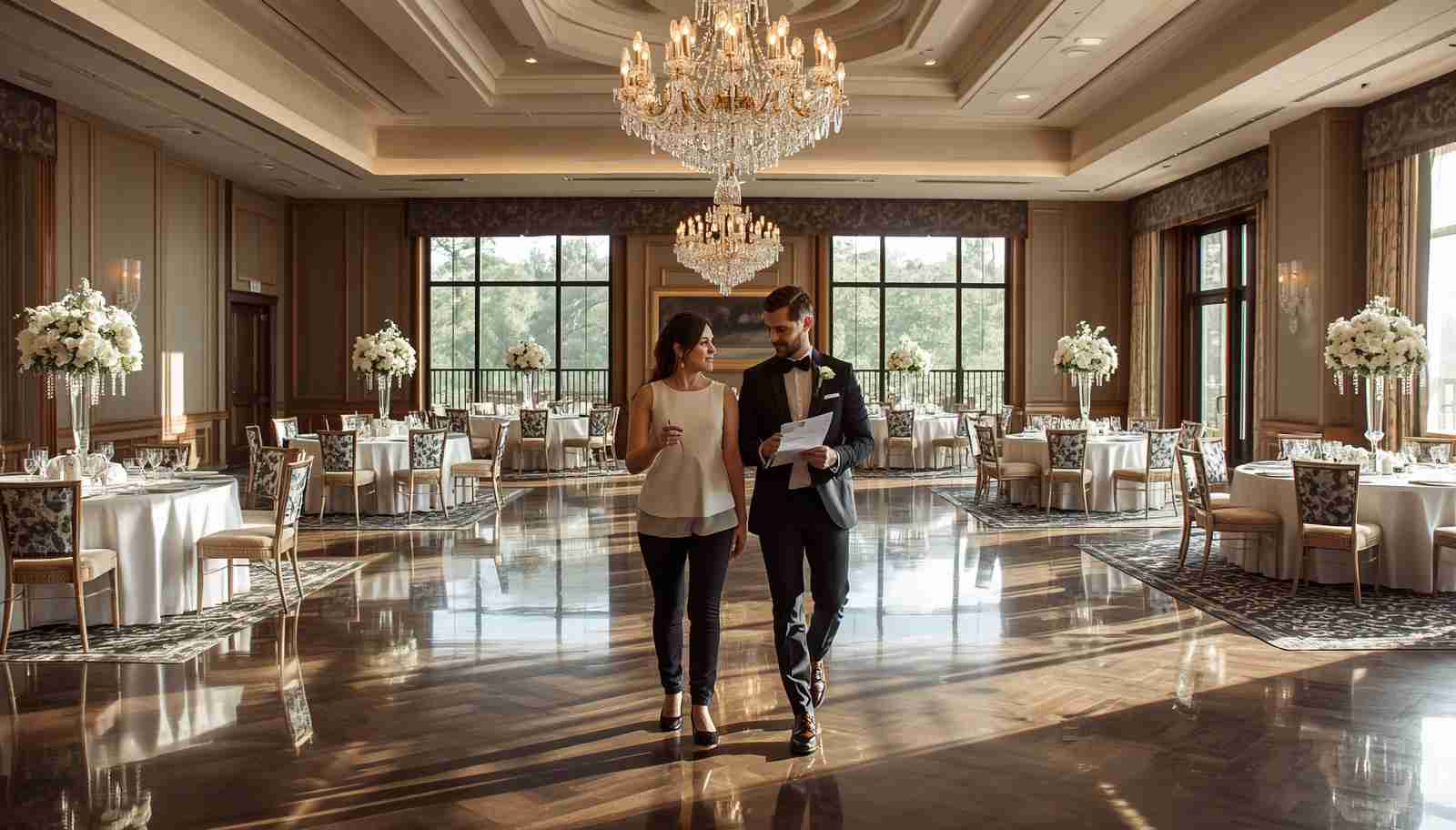
Most venue tours are designed to sell you on the prettiest room, not to show you what your wedding day will actually feel like. The right wedding venue tour questions uncover the operational details that separate a smooth, on-time celebration from a stressful scramble. If you are touring multiple elegant ballroom spaces in a centrally located Houston venue, focus on the answers you can verify in writing. That is how you compare venues fairly, even when every tour feels “perfect” in the moment. How To Use This Venue Tour Question List (So You Actually Compare Venues) A venue tour checklist only works if you treat it like a scoring tool, not a casual conversation. Your goal is to leave each tour with clear numbers, clear policies, and clear responsibility lines. Bring a written checklist and score each answer (clear, partial, vague) so venues are easy to compare later. A comprehensive wedding planning checklist can also help you organize venue research, budgeting, and vendor decisions. Ask for answers in writing when possible (proposal, inclusions sheet, sample contract) to avoid memory gaps. A sample contract and an itemized quote are more reliable than anything said during a walkthrough. Tour at the same time of day as your wedding if you can to see lighting, traffic, and noise conditions. In Houston, the difference between a 2 p.m. and 6 p.m. arrival can change parking flow, photo lighting, and even how hard the climate control has to work. What To Bring to a Houston Venue Tour Bring your guest count range, ceremony/reception timeline, and top 3 non-negotiables (indoor ceremony, late end time, open vendor policy). This keeps the conversation focused on fit, not fantasy. Bring a few inspiration photos plus practical items: measuring tape, phone charger, and a notes template. A measuring tape sounds nerdy until you realize your rectangle tables do not fit the dance floor you imagined. How To Capture Answers Quickly Take photos of each space plus key details: restrooms, loading entrance, bridal suite, and parking. These are the details that affect guest comfort and vendor load-in, yet they are easy to forget. Record exact numbers: hours included, overtime rate, deposit amount, and capacity by layout. If a venue cannot give you exact numbers, that is useful information too. Availability, Timing, and Schedule Control Your timeline is only “yours” if the venue’s hours of access, vendor policies, and cleanup rules support it. Many couples discover late in the planning process that venues limit early access or enforce stricter end times than they expected. These venue tour questions help uncover those restrictions before you sign a contract. Confirm date availability plus hold policy (how long they’ll hold your date and whether holds are free). Ask what happens if another couple requests the same date while you are “thinking about it.” Ask how many hours are included and what early access looks like for hair/makeup, décor, and vendor load-in. If you need a getting-ready suite early, get the exact time in writing. Clarify end time, last call, and cleanup deadlines, then ask about overtime pricing. A hard stop plus a high overtime rate can change your entire reception pacing. Questions That Prevent a Rushed Wedding Day “What time can vendors arrive, and what time must everyone be out?” This one question reveals vendor load-in windows, elevator rules, loading dock access, and whether the venue expects a fast teardown. “Is there a required timeline, or can we build our own with our planner?” Some venues require a house timeline to protect staffing and simultaneous events. That is not automatically bad, but you should know before you sign. Pricing, Deposits, and What’s Actually Included Venue tour questions about pricing go beyond the rental fee. What matters is the total of required staffing, required bar structure, required rentals, and mandatory fees. Request an itemized quote that separates venue rental, staffing, security, bar, rentals, and service fees. If you are comparing ballrooms, this is the only way to compare apples to apples. Ask what’s included by default (tables, chairs, linens, getting-ready suites, A/V) vs. add-ons. If a venue says “tables and chairs are included,” confirm quantities, styles, and setup and teardown responsibility. Confirm deposit amount, payment schedule, and whether payments are refundable or transferable. Ask how the cancellation policy and rescheduling policy work in real scenarios, not just in legal language. If you want a deeper breakdown of typical local pricing, review this guide to understanding Houston venue pricing and what drives it: a clear explanation of local venue pricing factors. Hidden-Cost Questions to Ask Up Front “What fees are mandatory (service charge, admin fee, gratuity, cleaning fee)?” Ask whether the service fee is a percentage and what it applies to. Confirm whether gratuity is included or expected on top. “Do you require specific rentals or preferred vendors that add cost?” Some venues require a preferred vendor list for catering, bar, or security staff. Others allow an open vendor policy but charge coordination or outside-vendor fees. Contract Clarity Checks Ask for a sample contract and confirm what triggers additional charges (damage, overtime, extra staff). Then ask who determines staffing needs and when they make that decision. Confirm insurance requirements and who is responsible for permits (if applicable). Venue tour questions should include liability insurance requirements. Ask what coverage limits vendors must carry and whether the venue requires a certificate of insurance naming the venue as an additional insured. For a practical checklist of what many venues include versus what becomes an add-on, see this breakdown of what is typically included in a venue rental. Capacity, Layout, and Guest Comfort Venue tour questions about capacity matter more than many couples realize. Different room layouts affect whether a seated dinner feels spacious or cramped and whether a cocktail-style reception has enough room for bar lines and mingling. Ask for capacity by layout (seated dinner, cocktail, ceremony, with dance floor) rather than a single number. A room that “holds 250” may only hold 180 comfortably with a dance floor and band. Confirm table types and sizes

Hidden Wedding Venue Costs Couples Often Overlook in Houston
A venue quote can look reasonable at first glance. However, the total can change once you build a real wedding timeline. In Houston, many hidden venue costs come from access hours, staffing requirements, and venue minimums. These expenses often appear only after your planner, caterer, DJ, florist, and rental vendors finalize their schedules. As a ballroom venue team that hosts weddings regularly, we see the same issue repeatedly. Couples budget for the venue rental fee but overlook hidden venue costs tied to timing, staffing, and event logistics. Fortunately, most of these expenses can be identified before signing a contract if you know which questions to ask. The Hidden Cost We See Surprise Couples Most Often After hosting weddings at Grand Central Houston, we’ve found that timeline-related costs create more budget surprises than almost any other venue expense. Couples often focus on the venue rental fee while overlooking the impact of setup time, vendor access hours, room flips, extended receptions, and late-night breakdown requirements. A timeline that runs even one hour longer than expected can affect venue staffing, security coverage, bartenders, coordinators, and vendor labor at the same time. Before signing a contract, we recommend reviewing the complete event timeline with the venue team so you understand exactly what is included and what may create additional costs. Why Venue Quotes Rarely Match the Final Total The venue rental fee is the price to reserve the space, not the price to host the wedding. Your total venue spend usually includes staffing, security coverage, cleaning, rentals, and extra time for vendor load-in, setup time, and breakdown time. “Included” often has boundaries that matter financially. It can mean limited access hours, limited rooms (for example, ballroom only, not suites or ceremony space), or limited inventory that works for one layout but not yours. Most surprises come from policies, minimums, and the event timeline. If the contract isn’t anchored to a written access schedule, you can end up paying overtime charges and extended staffing for changes that feel small in the moment. If you want a baseline for how totals are typically built, review this breakdown of what couples often pay beyond the advertised number in this overview of typical Houston venue pricing factors. The Three Buckets of Venue Cost Timing Costs: The #1 Budget Leak Houston Couples Don’t See Coming Extra hours can increase costs quickly. Vendor load-in, décor installation, rehearsal activities, and breakdown requirements often require additional venue access. These extra hours may increase staffing needs and can cost more than the base rental period. Small schedule shifts can trigger overtime charges across multiple roles at once. When the venue coordinator, security team, bartenders, and cleaning crew all extend, you’re paying multipliers, not a single hourly add-on. Ask for a written “access schedule” that shows when each space opens and closes. That includes the ballroom, ceremony space, bridal suite, groom suite, loading dock, and any outdoor areas. Multiple ballroom options can also affect pricing. Grand Central Houston offers Vanderbilt Ballroom for larger celebrations. Madison Ballroom works well for intimate events, while Biltmore Ballroom provides a dedicated ceremony space. Each ballroom may have different access schedules, setup requirements, and staffing needs that affect the final cost. Common Timeline Triggers That Add Hours A room flip is one of the biggest hidden drivers in a ballroom venue. If guests are in one space while staff resets the room, you may need extra labor, extra rental windows, or a second space to hold cocktail hour. How to Audit Timing Before You Sign Map a minute-by-minute timeline: arrival, photos, ceremony, cocktail hour, reception, exit, and vendor strike. Put real times next to each moment, not just “evening” or “after dinner.” Confirm earliest access for planners, florists, DJs, and rental drop-offs. Early access is often the difference between a calm setup and a paid scramble. If you want a checklist format for this step, this page on what’s typically included with a venue rental helps you compare access hours and included spaces apples-to-apples. Service Charges, Gratuities, and Taxes That Quietly Inflate the Bill Service charges, gratuities, administrative fees, and taxes are among the most common hidden venue costs couples encounter. While the venue rental fee may seem straightforward, additional percentage-based charges can significantly increase the final total. Many couples compare venues using only the advertised rental price. However, hidden venue costs can quickly increase a venue package that starts at $10,000. Service charges, taxes, and other required fees often raise the final amount. Before comparing venues, request a detailed estimate that includes every cost. Sales tax may apply to rentals, alcohol, and certain service items. Texas tax rules vary based on how vendors list charges on the invoice. To avoid hidden venue costs, ask the venue which items trigger sales tax and how they determine the final tax amount. You should also understand how venues calculate percentage-based fees. Some venues calculate fees only on food and beverage purchases. Others apply fees to rentals, staffing, and additional services. These charges can increase the final amount far beyond what couples initially expect. Questions That Prevent Surprise Percentages If any fee structure seems unclear, request a sample invoice. Reviewing a realistic breakdown of venue fees, service charges, taxes, staffing, and optional upgrades is one of the easiest ways to identify hidden venue costs before signing a contract. Ask for a Sample Final Invoice One of the easiest ways to identify hidden wedding venue costs is to request a sample invoice. Seeing a realistic breakdown of venue fees, service charges, taxes, staffing, rentals, and optional upgrades can help couples understand what they may actually spend rather than relying on advertised pricing. A detailed invoice often reveals costs that are not obvious during an initial venue tour. Food and Beverage Minimums (And the Costs That Follow) Food and beverage minimums can vary by season, day of the week, and ballroom selection. Before booking, verify the exact minimum for your date and event space. Different ballrooms may have different spending requirements and package options. Food and

Wedding Venue Contract Terms Every Couple Should Understand in Houston
A venue tour can make a ballroom feel settled before the paperwork says anything useful. In practice, clarity around Wedding Venue Contract Terms Every Couple Should Understand is what determines whether a Houston celebration runs smoothly, stays on budget, and gives every vendor enough time to do the job well. This guide explains the clauses that matter most, how to compare them, and where couples most often assume too much. At Grand Central Houston, we’ve found that many couples focus on venue style and amenities first, only to discover later that contract terms often have a greater impact on planning, budgeting, and vendor coordination. How to Read a Houston Wedding Venue Contract (Before You Fall in Love With the Space) Treat the contract as the operating manual for the event, not as a receipt for the deposit. A Houston venue agreement controls timeline, staffing, costs, vendor movement, and liability, which means it shapes the wedding day more directly than the sales conversation does. A wedding venue contract controls timelines, staffing, costs, vendor access, and liability. Understanding these wedding venue contract terms before signing can help couples avoid unexpected expenses and planning challenges later. Compare every promise from the venue tour, brochure, and email conversation against the written agreement. If a Houston venue promotes convenience, the contract should clearly define parking, loading access, room usage, and vendor access times. One missing detail can create unnecessary costs. For example, a sales representative may verbally approve an extended vendor access window, but the contract may list a shorter setup period. That difference can lead to rushed floral installation, compressed setup schedules, and additional labor expenses. Couples should identify who has authority to approve contract changes. In many venues, the sales representative books the event, the venue manager approves contract modifications, and the on-site coordinator manages the wedding day. Understanding those roles helps prevent confusion during planning. What Must Be in Writing (Not Just “Verbally Confirmed”) Anything with budget or timeline impact belongs in the contract or an addendum. That includes tables, chairs, linens, staffing, security, parking, and private-use areas such as the bridal suite and groom suite. Special allowances also need written language. Early vendor entry, extended cleanup, additional rehearsal time, and exceptions for cultural ceremony needs are not minor favors once the event calendar tightens. Quick Contract Checklist for Houston Couples Use this checklist before signing: A short checklist catches expensive omissions faster than a long email chain. If the venue is ideal for small to large guest counts, the contract should still specify what layout, furniture count, and room configuration apply to your event. Access Times and Timeline Clauses (The #1 Term Couples Regret Overlooking) Among all wedding venue contract terms, access times often create the biggest challenges. Many contracts sell a six-hour reception but provide only a limited setup and teardown window, creating scheduling issues for vendors and planners. Confirm exactly when each vendor may enter the property. Do not focus only on ballroom access. Vendors may also need time for loading dock access, elevator use, security check-in, staging areas, and rental deliveries. Teardown requirements matter just as much as setup rules. If the contract requires a complete clear-out by a specific deadline, late pickup by rental companies or florists may trigger overtime charges and additional staffing fees. Ask how the venue calculates overtime before assuming flexibility. Some venues bill by the hour. Others bill in 15-minute increments. A short delay can sometimes result in a full extra hour of charges. At Grand Central Houston, we often see couples focus on décor and menu selections first. Later, they discover that vendor access and setup schedules determine whether those plans are realistic. Adequate setup time helps vendors create the wedding experience couples envision. Vendor Arrival, Loading, and Setup Windows List every vendor category and the lead time each one needs. Caterers, florists, rental companies, entertainment teams, and photo or video crews all use the building differently, so one generic access clause rarely protects the full production schedule. Ask whether arrivals must be staggered and whether vehicle limits apply. In dense Houston event corridors, one loading rule can affect whether a DJ unloads on time or whether a floral team loses an hour waiting for dock clearance. Guest Arrival, Ceremony Start, and Hard End Time Define event time with precision. Guest arrival, ceremony start, cocktail hour, and reception hours should be distinct, because a contract that starts the clock at guest arrival may leave no buffer for pre-ceremony photos or room resets. Hard end times also affect exits and entertainment. Noise ordinances, curfew policies, and building-close procedures can limit late-night dancing, grand exits, or sparkler send-offs even when the printed reception end time looks generous. Overtime Fees and Staffing Minimums Check whether overtime automatically requires extra bartenders, security, or venue attendants. Those staffing minimums can make one extra hour far more expensive than the stated overtime rate suggests. Also confirm approval mechanics. Some venues require advance authorization for overtime, while others allow same-day extensions if staffing is available, and that difference changes how much flexibility you actually have. What Exactly Are You Renting? Spaces, Capacity, and Restrictions Wedding venue contract terms should identify every included area by name. “Reception hall access” is not enough if your event depends on a ballroom, ceremony space, cocktail hour space, groom suite, bridal suite, patios, restrooms, hallways, or a freight elevator for vendor deliveries. Review capacity limits carefully. Capacity often changes based on the floor plan. A ballroom that accommodates 250 guests in a theater layout may hold fewer guests for a seated dinner with a dance floor, buffet, stage, and sweetheart table. This distinction becomes especially important in venues with multiple ballrooms. The contract should identify the specific room reserved for your event and the layout that supports your guest count. Review all venue restrictions before signing. Décor limitations, open flame policies, confetti restrictions, fog machine rules, accessibility features, and venue-specific requirements can affect both design plans and guest comfort. Accessibility deserves careful attention.
How Far in Advance to Book a Wedding Venue in Houston
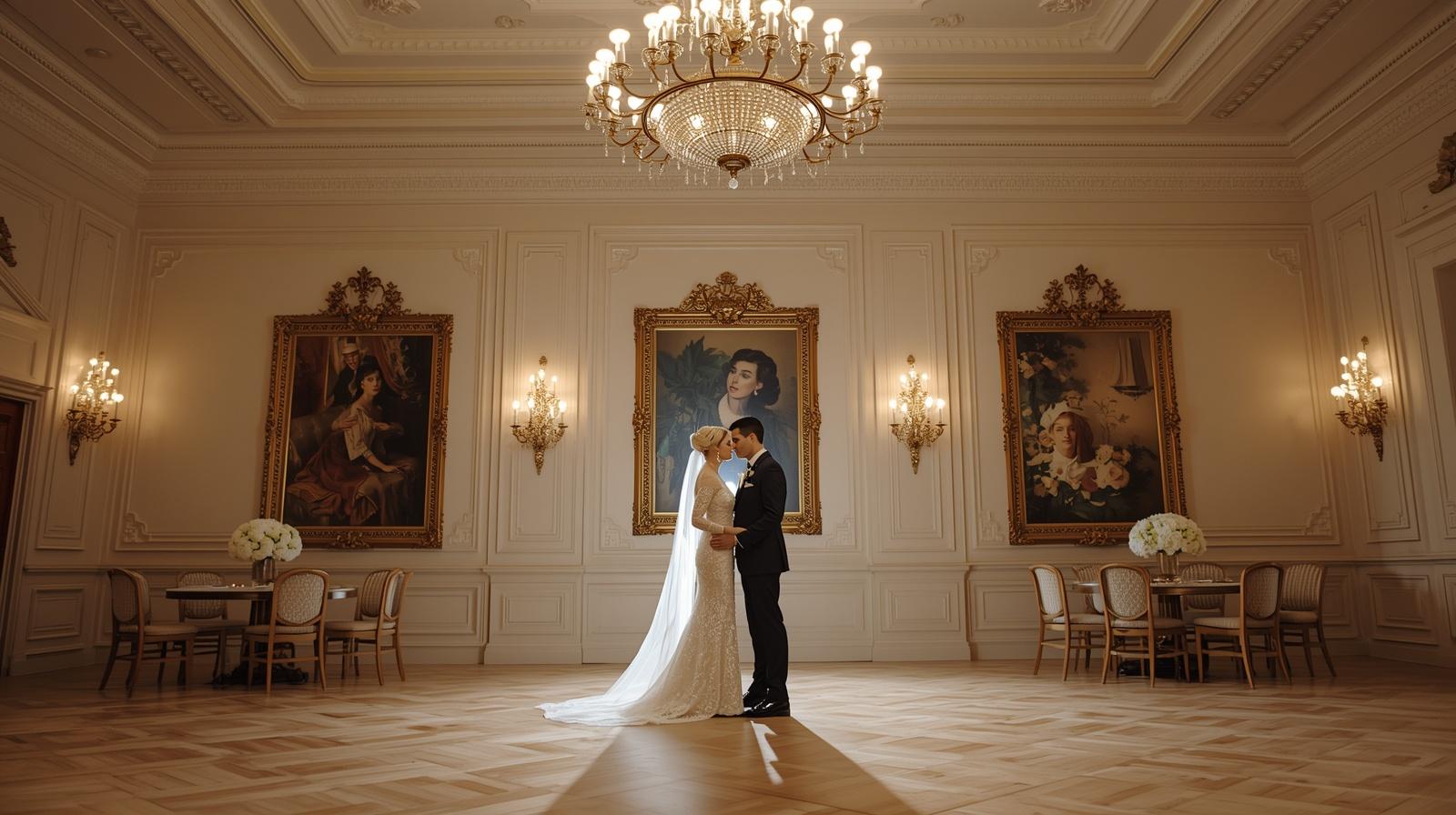
Houston couples are often surprised by how early prime dates disappear, especially for Saturday weddings in March–May and October–November. If you plan to book wedding venue space during these popular seasons, start earlier than you may expect. From our venue team’s perspective in the Houston area, the biggest difference between booking 6 months out and 14 months out comes down to flexibility. Your date, season, and guest count all affect availability. If you want the widest choice of wedding reception venues, floor plan options, and vendor availability, start your planning timeline with the venue. Don’t begin with the color palette or invitation suite. At Grand Central Houston, we regularly speak with couples who are surprised to learn that popular spring and fall wedding dates can disappear more than a year in advance. The Short Answer: Recommended Booking Windows for Houston Most couples book 9–18 months out in Houston, and 12–18 months is ideal for peak-season Saturdays. If you have a specific Saturday in spring weddings or fall weddings, it’s normal to see venues booked more than a year ahead. Timing varies because Houston demand is not one-size-fits-all. Seasonality, the day of week, guest count, and venue type (ballroom vs. garden vs. hotel) all change how quickly calendars fill. Set expectations early: popular dates can book 12–18+ months out, while off-peak season dates and weekdays often have more availability. A Friday wedding or Sunday wedding can also open doors to venues you assumed were “fully booked.” Quick Booking Timeline by Wedding Type Why the Venue Should Be Your First Big Booking The venue often sets the date, and the date drives everything else. A well-structured wedding planning timeline can help couples understand why venue selection typically comes before most other major decisions Once you book wedding venue space, your photographer, wedding planner, caterer, and entertainment team can confirm availability and provide accurate pricing. The venue also shapes a large part of your budget. Venue rental, catering rules, bar packages, staffing, security, cleanup, and rentals all affect the final cost. As a result, two venues with the same base rate can produce very different totals. Capacity is another hidden factor. A 220-guest wedding has far fewer venue options than a 110-person celebration. Because of that, larger weddings often require earlier booking. Indoor venues are especially popular in the Houston area. They reduce weather-related concerns and provide more planning certainty. Many couples choose an indoor venue or ceremony space to avoid last-minute stress caused by heat, humidity, or sudden storms. What We See Most Often at Grand Central Houston Couples who book 12–18 months out typically have the most flexibility on dates, vendor choices, and floor plan options. They also have more time to compare flexible event layouts, especially when choosing between multiple ballroom spaces. A common mistake is waiting to finalize every detail before securing a venue, when the venue is the detail that unlocks the rest. Once the date and space are locked, decisions like catering style, timeline, and rentals become simpler and faster. Houston Timing Factors That Change How Early You Should Book Seasonality matters more in Houston than many couples expect. Spring and fall demand is higher, while summer weddings and winter weddings can be more flexible, especially outside holiday weekend dates. Day-of-week pricing and availability also shift the equation. Saturdays go first, while Fridays and Sundays often remain open longer and may come with more negotiating room on event time or inclusions. Guest count changes the timeline because larger weddings have fewer workable venues. If you need a ballroom with real capacity, comfortable circulation, and parking, you should start earlier than a couple hosting a micro wedding. Venue category plays a role, too. Ballrooms, barns, historic venues, hotels, and gardens book differently based on how many dates they can host, noise curfews, load-in and load-out rules, and whether they have in-house infrastructure. Peak Months and High-Demand Dates to Watch March–May and October–November tend to be the fastest to book in Houston. Those windows have the strongest demand for comfortable temperatures and predictable guest travel. Holiday weekend dates and culturally popular dates can compress availability even further. If your family is aiming for a specific weekend, plan for fewer choices and faster decision-making. Why Indoor Ballrooms Often Book Earlier in Houston Houston weather plays a significant role in venue demand. Outdoor ceremonies can be beautiful, but many couples prefer indoor ballrooms. These venues eliminate concerns about heat, humidity, sudden rain, and last-minute weather changes. An indoor ballroom creates a more predictable experience for couples and guests. Climate-controlled spaces, built-in infrastructure, and weather protection simplify planning. As a result, couples can focus on celebrating instead of worrying about backup plans. Because of these advantages, many indoor wedding venues in Houston experience strong demand during peak wedding seasons. For couples planning to book wedding venue space, availability is an important consideration. Weather-proof venues often have less availability than expected, especially during spring and fall. Starting your venue search early gives you access to a wider selection of dates and floor plan options. Indoor vs. Outdoor Considerations in Houston Weather Houston weather pushes many couples toward a weather-proof venue, even if they still want outdoor photos. Heat, humidity, and sudden storms can turn a “perfect plan” into a stressful pivot if there’s no covered backup. If you want an outdoor ceremony or garden portraits, ask about a rain plan in writing. You should also ask how quickly the venue can flip to an indoor ceremony space, and what the staffing plan looks like if weather changes within an hour of start time. A Step-by-Step Venue Booking Plan (From Search to Signed Contract) Start with non-negotiables: a date range (not a single date), a guest count range, a budget range, and a preferred style. If you’re comparing a luxury wedding atmosphere with high-end design and finishes versus a more rustic space, decide what actually affects your guest experience. Build a venue shortlist and tour efficiently. You’re not only comparing aesthetics, you’re comparing

Common Mistakes Couples Make When Choosing a Wedding Venue in Houston
Wedding venue mistakes are one of the biggest reasons Houston couples end up stressed before their wedding day even arrives. Most regrets are not about flowers or playlists, they come from venue decisions that looked perfect in photos but fell apart under real-world pressure like traffic, humidity, and tight timelines. If you want your day to feel effortless for guests and vendors, the smartest move is treating your wedding venue like an operations hub, not just a backdrop. Start With the Right Inputs: Budget, Guest Count, and Priorities Your venue choice quietly controls the rest of the budget because it dictates catering options, rentals, staffing levels, transportation, and even how long you’ll need vendors onsite. A “good deal” venue can turn expensive fast once you add shuttles, extra bars, security, or rentals that a more inclusive space would have provided. Lock a realistic guest count range before you tour anything. Even a 20-person swing changes capacity needs, table spacing, bar lines, and whether a room feels full or awkwardly empty. Create a short priorities list before you inquire: must-haves, nice-to-haves, and dealbreakers. Common dealbreakers in Houston include parking, a true indoor option, end time restrictions, and vendor flexibility if you prefer not to work from a preferred vendor list. One of the quickest ways to get overwhelmed is emailing 20 venues with no tracking system. If you don’t log pricing, minimum spend, and restrictions in one place, every tour starts to blur together and you’ll miss hidden fees. A Simple Shortlist Method to Avoid Decision Fatigue After your first filter, limit your shortlist to 5 to 8 venues. Filter by capacity, date availability, style, and a realistic budget range, not aspirational pricing you “might make work.” Use a comparison sheet after every venue tour. Track total estimated cost, what’s included, restrictions, and logistical notes like setup window, teardown timing, and whether the ballroom layout supports flexible event layouts. If you want a starting point for budgeting, keep a bookmarked reference for local pricing patterns. Grand Central’s breakdown of what couples typically spend is a helpful baseline for building your own numbers: their Houston venue cost guide. Houston Reality Check: Traffic, Distance, and Guest Mix Houston traffic is not a small detail, it’s one of the most overlooked wedding venue mistakes couples make when planning a Houston wedding. A venue that looks central on a map can still create a frustrating guest experience if timing and traffic patterns are ignored. A centrally located Houston venue can still feel “far” if most guests are staying near Downtown Houston, The Galleria, or the Texas Medical Center and your timing hits peak congestion. Ask where your guests will likely stay and map drive times at the same hour as your ceremony start. A venue in The Heights might be a quick hop at 2 PM and a headache at 5 PM, especially if you’re pulling guests from the Museum District, Rice Village, West University Place, or River Oaks. Out-of-town convenience matters more than couples expect. Check nearby accommodations, hotel block options, and how realistic rideshare availability is at the end of the night, especially for guests flying into Hobby Airport or George Bush Intercontinental Airport. Mistake: Choosing a Venue Based Only on Photos and Aesthetics Photos don’t show room flow, acoustics, or how lighting changes after sunset. They also rarely show restrooms, back-of-house space, or whether guests will bottleneck at entry points during cocktail hour. A space can be gorgeous and still fail operationally. Tight vendor access, narrow hallways, limited staging areas, and an unrealistic ceremony flip can turn a calm timeline into a scramble. Guest comfort needs to be a primary selection factor, not an afterthought. If the room is too warm, the bar lines are long, or seating feels cramped, that’s what people remember, even in a luxury wedding atmosphere with high-end design and finishes. What to Look for on a Walkthrough (Beyond the Ballroom) Start outside, not inside. Look for parking flow, a valet staging area, safe lighting in the lot, and clear ADA access routes from arrival to the main entrance. Then check vendor operations. Ask where the vendor entrance is, how far it is from the truck to the ballroom, whether there’s an elevator, and if there’s a real catering prep area or kitchen that can support your menu. Inside the room, verify comfort and power. Confirm climate control, power availability for band or DJ setups, and whether cocktail hour circulation will work without guests crowding the bar or blocking the dance floor. Houston-Specific: Heat, Humidity, and Sudden Storms If any part of your event is outdoors, don’t accept “we’ll figure it out” as a rain plan. Confirm covered transitions, indoor backup spaces, and heat mitigation like shade, fans, and hydration stations for humidity-heavy months. Storm season is not theoretical here. A weather-proof venue with an indoor venue option keeps your timeline intact when pop-up storms hit right before ceremony time. Mistake: Not Touring Properly, or Skipping a Tour Entirely One of the biggest wedding venue mistakes couples make is relying too heavily on virtual tours. A virtual tour is useful for narrowing options, but it can’t replicate scale, noise, traffic flow, or neighborhood context the way an in-person walkthrough can. You won’t hear nearby traffic, notice awkward smells, or feel how long the walk is from parking to the entrance. Tour at a similar time and day to your wedding whenever possible. That’s how you’ll truly gauge traffic patterns, parking pressure, and what the lighting looks like during key moments like ceremony and first dance. Bring the right decision-makers to reduce backtracking. A partner, wedding planner, or trusted family member can catch issues you miss and help you compare venues more objectively.Tour Questions That Prevent Surprise Costs Ask for a clear list of what’s included. Tables, chairs, linens, security, cleaning, setup and teardown hours, and on-site staff can shift your all-in cost more than couples expect. Clarify overtime fees, minimum spend rules, and vendor policies. Some venues require