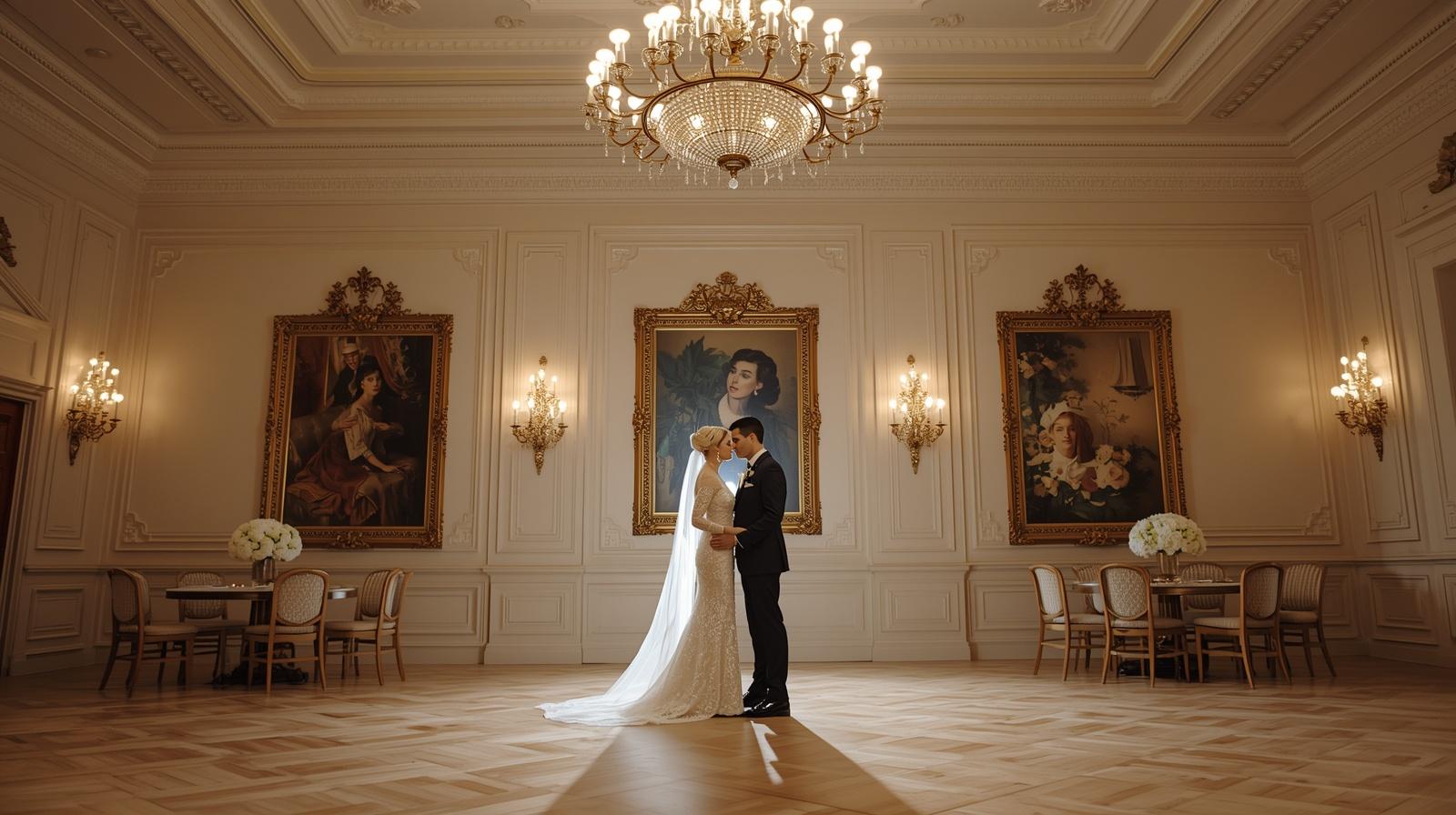
Houston couples are often surprised by how early prime dates disappear, especially for Saturday weddings in March–May and October–November. If you plan to book wedding venue space during these popular seasons, start earlier than you may expect. From our venue team’s perspective in the Houston area, the biggest difference between booking 6 months out and 14 months out comes down to flexibility. Your date, season, and guest count all affect availability.
If you want the widest choice of wedding reception venues, floor plan options, and vendor availability, start your planning timeline with the venue. Don’t begin with the color palette or invitation suite.
At Grand Central Houston, we regularly speak with couples who are surprised to learn that popular spring and fall wedding dates can disappear more than a year in advance.

The Short Answer: Recommended Booking Windows for Houston
Most couples book 9–18 months out in Houston, and 12–18 months is ideal for peak-season Saturdays. If you have a specific Saturday in spring weddings or fall weddings, it’s normal to see venues booked more than a year ahead.
Timing varies because Houston demand is not one-size-fits-all. Seasonality, the day of week, guest count, and venue type (ballroom vs. garden vs. hotel) all change how quickly calendars fill.
Set expectations early: popular dates can book 12–18+ months out, while off-peak season dates and weekdays often have more availability. A Friday wedding or Sunday wedding can also open doors to venues you assumed were “fully booked.”
Quick Booking Timeline by Wedding Type
- Peak-season Saturday (March–May, October–November): 12–18+ months
- Friday/Sunday weddings: 6–12 months (sometimes less) with more flexibility
- Micro wedding or weekday: 3–9 months is often realistic, depending on vendor needs
Why the Venue Should Be Your First Big Booking
The venue often sets the date, and the date drives everything else. A well-structured wedding planning timeline can help couples understand why venue selection typically comes before most other major decisions Once you book wedding venue space, your photographer, wedding planner, caterer, and entertainment team can confirm availability and provide accurate pricing.
The venue also shapes a large part of your budget. Venue rental, catering rules, bar packages, staffing, security, cleanup, and rentals all affect the final cost. As a result, two venues with the same base rate can produce very different totals.
Capacity is another hidden factor. A 220-guest wedding has far fewer venue options than a 110-person celebration. Because of that, larger weddings often require earlier booking.
Indoor venues are especially popular in the Houston area. They reduce weather-related concerns and provide more planning certainty. Many couples choose an indoor venue or ceremony space to avoid last-minute stress caused by heat, humidity, or sudden storms.
What We See Most Often at Grand Central Houston
Couples who book 12–18 months out typically have the most flexibility on dates, vendor choices, and floor plan options. They also have more time to compare flexible event layouts, especially when choosing between multiple ballroom spaces.
A common mistake is waiting to finalize every detail before securing a venue, when the venue is the detail that unlocks the rest. Once the date and space are locked, decisions like catering style, timeline, and rentals become simpler and faster.
Houston Timing Factors That Change How Early You Should Book
Seasonality matters more in Houston than many couples expect. Spring and fall demand is higher, while summer weddings and winter weddings can be more flexible, especially outside holiday weekend dates.
Day-of-week pricing and availability also shift the equation. Saturdays go first, while Fridays and Sundays often remain open longer and may come with more negotiating room on event time or inclusions.
Guest count changes the timeline because larger weddings have fewer workable venues. If you need a ballroom with real capacity, comfortable circulation, and parking, you should start earlier than a couple hosting a micro wedding.
Venue category plays a role, too. Ballrooms, barns, historic venues, hotels, and gardens book differently based on how many dates they can host, noise curfews, load-in and load-out rules, and whether they have in-house infrastructure.
Peak Months and High-Demand Dates to Watch
March–May and October–November tend to be the fastest to book in Houston. Those windows have the strongest demand for comfortable temperatures and predictable guest travel.
Holiday weekend dates and culturally popular dates can compress availability even further. If your family is aiming for a specific weekend, plan for fewer choices and faster decision-making.
Why Indoor Ballrooms Often Book Earlier in Houston
Houston weather plays a significant role in venue demand. Outdoor ceremonies can be beautiful, but many couples prefer indoor ballrooms. These venues eliminate concerns about heat, humidity, sudden rain, and last-minute weather changes.
An indoor ballroom creates a more predictable experience for couples and guests. Climate-controlled spaces, built-in infrastructure, and weather protection simplify planning. As a result, couples can focus on celebrating instead of worrying about backup plans. Because of these advantages, many indoor wedding venues in Houston experience strong demand during peak wedding seasons.
For couples planning to book wedding venue space, availability is an important consideration. Weather-proof venues often have less availability than expected, especially during spring and fall. Starting your venue search early gives you access to a wider selection of dates and floor plan options.
Indoor vs. Outdoor Considerations in Houston Weather
Houston weather pushes many couples toward a weather-proof venue, even if they still want outdoor photos. Heat, humidity, and sudden storms can turn a “perfect plan” into a stressful pivot if there’s no covered backup.
If you want an outdoor ceremony or garden portraits, ask about a rain plan in writing. You should also ask how quickly the venue can flip to an indoor ceremony space, and what the staffing plan looks like if weather changes within an hour of start time.
A Step-by-Step Venue Booking Plan (From Search to Signed Contract)
Start with non-negotiables: a date range (not a single date), a guest count range, a budget range, and a preferred style. If you’re comparing a luxury wedding atmosphere with high-end design and finishes versus a more rustic space, decide what actually affects your guest experience.
Build a venue shortlist and tour efficiently. You’re not only comparing aesthetics, you’re comparing layout, restrictions, inclusions, and whether the venue supports flexible event layouts for your ceremony, cocktail hour, and reception.
If the venue offers a date hold, use it strategically. A date hold buys you time to review the contract carefully, confirm family availability, and sanity-check the payment schedule before you put down a deposit.
After the venue is booked, lock in your key vendors. For most Houston weddings, that means wedding planner first (if you’re hiring one), then catering (if separate), photographer, and DJ or band.
If you want a deeper list of what to ask on tours, use our venue team’s checklist of the most important questions to bring to a ballroom tour.
What to Bring to Venue Tours
Bring an estimated guest count range and identify your top priorities. These may include an on-site ceremony, an indoor reception, photo locations, or multiple ballroom spaces for different parts of the celebration.
If you plan to book wedding venue tours, arrive with a list of questions about inclusions. Ask about tables, chairs, getting-ready rooms, security, staffing, AV equipment, and cleanup services. Doing so makes it easier to compare venues fairly and make an informed decision.
If you’re still unsure about head count, talk capacity early. This overview of how ballroom sizing works can help you avoid booking a room that feels tight once you add a dance floor, band, and buffet lines.
Contract Items That Affect Your Timeline
The contract is where timelines get real. Review the payment schedule, cancellation policy, rescheduling policy, and force majeure language before you pay the deposit.
Vendor rules can also speed up or slow down planning. Ask about vendor insurance requirements, preferred lists, load-in windows, load-out expectations, and any noise curfews that could affect your reception timeline.
Inclusions change how quickly you can plan. If you’re comparing venues, this breakdown of what is typically included in a venue rental helps you spot hidden costs early.
Realistic Examples: When to Book Based on Common Houston Scenarios
A large guest count ballroom reception on a fall Saturday should prioritize 12–18+ months. Those dates are the first to go, and the venues that can truly handle capacity, parking, and smooth guest flow are limited.
A mid-size wedding with flexible dates often works with a 9–12 month window if you can tour quickly. The key is momentum: shortlist, tour, decide, then contract.
For a short engagement, focus on Fridays, Sundays, off-peak months, and venues with in-house infrastructure. When a venue already includes essentials like tables and chairs, indoor ceremony space, and staff support, you reduce vendor lead time and coordination risk.
Example 1: Peak Saturday With a 150–250 Guest Count
Start your venue search 14–18 months in advance if you want a prime Saturday date. This timeline gives you the best chance of securing your preferred venue and date. Couples who plan to book wedding venue space during peak seasons often face more competition for the most desirable weekends.
Booking early also preserves more options for floor plans, ceremony schedules, and preferred vendors. Multiple ballroom spaces can provide additional flexibility as well. They help create a more customized guest experience, improve traffic flow, and support a smoother event timeline.
Example 2: Friday or Sunday Wedding With a 75–150 Guest Count
Start 6–12 months out, and you may find more open dates and better vendor availability. This is often the sweet spot for couples who want a polished, high-end look without fighting for the most in-demand Saturdays.
Use the flexibility to negotiate priorities like extended event time or upgraded rentals. If you’re comparing total cost, start with venue + food + beverage, then work outward to décor and extras.
For a realistic view of pricing ranges and what drives them, this guide to understanding Houston venue pricing is a helpful baseline.
Common Mistakes That Cause Couples to Miss Their Ideal Date
Many couples wait too long to secure a venue. They focus on colors, invitations, or building a full vendor team first. Although those tasks feel productive, they do not protect your preferred wedding date. If you plan to book wedding venue space during a busy season, securing the venue should remain the priority.
Another common mistake is underestimating how quickly peak Saturdays disappear. Spring and fall dates often book much faster than expected. As a result, many couples discover their preferred venues are already unavailable when they begin touring.
A lack of flexibility can also create challenges. Couples who only consider one specific Saturday often face limited options. Keeping several possible dates in mind can make it much easier to find and book wedding venue availability that matches your vision.
Finally, skipping key questions about restrictions, rain plans, and total cost beyond the base rental can lead to a restart later. If you want a quick list of avoidable missteps, this roundup of common booking mistakes Houston couples make is worth scanning before you tour.
How to Avoid the “We’re Already Booked” Problem
Tour and compare venues within a 2–3 week window to keep momentum. If you spread tours over two months, the best options tend to disappear between visits.
Place a soft hold if available, then make a decision before the hold expires. A date hold only helps if you treat it like a deadline, not a pause button.
If You’re Booking Last Minute: What Still Works in Houston
Last-minute wedding planning is more common than many couples realize. In Houston, it can still work if you’re flexible. Consider a Friday, Sunday, morning event, or an off-peak season date to increase your venue options.
If you need to book wedding venue space quickly, focus on venues with strong inclusions. A venue that already provides tables, chairs, an indoor ceremony space, AV equipment, and staffing can significantly reduce planning time.
Be prepared to make decisions quickly. Establish a guest count cap, simplify your décor plans, and create a short vendor shortlist. When searching for vendors, prioritize availability before style. This approach helps you avoid spending time on professionals who are already booked.
Finally, ask venues about cancellations and newly available dates. Openings sometimes appear when another couple reschedules, creating opportunities that weren’t previously available.
Last-Minute Checklist Before You Sign
Confirm vendor access times, rehearsal options, and any required vendor insurance documents. If your photographer or catering team needs extra load-in time, you want that settled before the contract is final.
Double-check capacity, parking, and accessibility for your actual guest count. A room that “fits 150” can feel very different once you add a stage, buffet, lounge furniture, or a larger dance floor.
FAQs About Booking a Houston Wedding Venue
How far in advance do wedding venues get booked?
In busy markets and peak season, venues can book 12–18+ months out for prime Saturdays. Off-peak dates, Fridays, Sundays, and weekday wedding options may be available 3–12 months out, especially for smaller guest counts.
What is the 50 30 20 rule for weddings?
It’s a budgeting guideline: roughly 50% for must-haves (often venue rental, catering, and bar packages), 30% for wants (upgrades like décor, specialty rentals, or entertainment), and 20% for savings or unexpected costs. It’s most useful after you price venue + food + beverage, since those are usually the least flexible numbers.
What is the 30-5 rule for weddings?
It’s a planning rule of thumb: finalize major details about 30 days out, then confirm logistics again about 5 days before. The “5 days before” check is where you verify arrival times, load-in, load-out, final head count, and day-of contacts.
What is a realistic budget for a 100 person wedding?
A realistic budget varies widely by venue type, catering style, and season. Many couples get the most clarity by pricing the venue, catering, and beverage first, then building the rest of the budget allocation around those fixed costs.
Key Takeaways: Your Booking Timeline in One Page
For Houston peak-season Saturdays, plan on 12–18+ months for the best selection. If you want a specific date in March–May or October–November, assume competition.
For Friday/Sunday or off-peak dates, 6–12 months is often enough, sometimes less. Micro wedding and weekday wedding timelines can be even shorter if the venue has strong inclusions.
Book the venue before finalizing smaller details. Your venue choice shapes vendor availability, capacity, parking, floor plan options, and the overall pace of planning.
If you’re looking for an indoor venue option (weather-proof) with multiple ballroom spaces, a luxury wedding atmosphere, and flexible event layouts ideal for small to large guest counts, schedule a venue tour early so you can compare dates while availability is still on your side.
Simple Decision Rule
The more specific your date, season, and guest count, the earlier you should book. Specificity is what forces speed.
If you want flexibility, keep at least 2–3 date options and consider non-Saturday celebrations. That one choice often turns “nothing is available” into “we have options.”