
A venue quote can look reasonable at first glance. However, the total can change once you build a real wedding timeline. In Houston, many hidden venue costs come from access hours, staffing requirements, and venue minimums. These expenses often appear only after your planner, caterer, DJ, florist, and rental vendors finalize their schedules. As a ballroom venue team that hosts weddings regularly, we see the same issue repeatedly. Couples budget for the venue rental fee but overlook hidden venue costs tied to timing, staffing, and event logistics. Fortunately, most of these expenses can be identified before signing a contract if you know which questions to ask. The Hidden Cost We See Surprise Couples Most Often After hosting weddings at Grand Central Houston, we’ve found that timeline-related costs create more budget surprises than almost any other venue expense. Couples often focus on the venue rental fee while overlooking the impact of setup time, vendor access hours, room flips, extended receptions, and late-night breakdown requirements. A timeline that runs even one hour longer than expected can affect venue staffing, security coverage, bartenders, coordinators, and vendor labor at the same time. Before signing a contract, we recommend reviewing the complete event timeline with the venue team so you understand exactly what is included and what may create additional costs. Why Venue Quotes Rarely Match the Final Total The venue rental fee is the price to reserve the space, not the price to host the wedding. Your total venue spend usually includes staffing, security coverage, cleaning, rentals, and extra time for vendor load-in, setup time, and breakdown time. “Included” often has boundaries that matter financially. It can mean limited access hours, limited rooms (for example, ballroom only, not suites or ceremony space), or limited inventory that works for one layout but not yours. Most surprises come from policies, minimums, and the event timeline. If the contract isn’t anchored to a written access schedule, you can end up paying overtime charges and extended staffing for changes that feel small in the moment. If you want a baseline for how totals are typically built, review this breakdown of what couples often pay beyond the advertised number in this overview of typical Houston venue pricing factors. The Three Buckets of Venue Cost Timing Costs: The #1 Budget Leak Houston Couples Don’t See Coming Extra hours can increase costs quickly. Vendor load-in, décor installation, rehearsal activities, and breakdown requirements often require additional venue access. These extra hours may increase staffing needs and can cost more than the base rental period. Small schedule shifts can trigger overtime charges across multiple roles at once. When the venue coordinator, security team, bartenders, and cleaning crew all extend, you’re paying multipliers, not a single hourly add-on. Ask for a written “access schedule” that shows when each space opens and closes. That includes the ballroom, ceremony space, bridal suite, groom suite, loading dock, and any outdoor areas. Multiple ballroom options can also affect pricing. Grand Central Houston offers Vanderbilt Ballroom for larger celebrations. Madison Ballroom works well for intimate events, while Biltmore Ballroom provides a dedicated ceremony space. Each ballroom may have different access schedules, setup requirements, and staffing needs that affect the final cost. Common Timeline Triggers That Add Hours A room flip is one of the biggest hidden drivers in a ballroom venue. If guests are in one space while staff resets the room, you may need extra labor, extra rental windows, or a second space to hold cocktail hour. How to Audit Timing Before You Sign Map a minute-by-minute timeline: arrival, photos, ceremony, cocktail hour, reception, exit, and vendor strike. Put real times next to each moment, not just “evening” or “after dinner.” Confirm earliest access for planners, florists, DJs, and rental drop-offs. Early access is often the difference between a calm setup and a paid scramble. If you want a checklist format for this step, this page on what’s typically included with a venue rental helps you compare access hours and included spaces apples-to-apples. Service Charges, Gratuities, and Taxes That Quietly Inflate the Bill Service charges, gratuities, administrative fees, and taxes are among the most common hidden venue costs couples encounter. While the venue rental fee may seem straightforward, additional percentage-based charges can significantly increase the final total. Many couples compare venues using only the advertised rental price. However, hidden venue costs can quickly increase a venue package that starts at $10,000. Service charges, taxes, and other required fees often raise the final amount. Before comparing venues, request a detailed estimate that includes every cost. Sales tax may apply to rentals, alcohol, and certain service items. Texas tax rules vary based on how vendors list charges on the invoice. To avoid hidden venue costs, ask the venue which items trigger sales tax and how they determine the final tax amount. You should also understand how venues calculate percentage-based fees. Some venues calculate fees only on food and beverage purchases. Others apply fees to rentals, staffing, and additional services. These charges can increase the final amount far beyond what couples initially expect. Questions That Prevent Surprise Percentages If any fee structure seems unclear, request a sample invoice. Reviewing a realistic breakdown of venue fees, service charges, taxes, staffing, and optional upgrades is one of the easiest ways to identify hidden venue costs before signing a contract. Ask for a Sample Final Invoice One of the easiest ways to identify hidden wedding venue costs is to request a sample invoice. Seeing a realistic breakdown of venue fees, service charges, taxes, staffing, rentals, and optional upgrades can help couples understand what they may actually spend rather than relying on advertised pricing. A detailed invoice often reveals costs that are not obvious during an initial venue tour. Food and Beverage Minimums (And the Costs That Follow) Food and beverage minimums can vary by season, day of the week, and ballroom selection. Before booking, verify the exact minimum for your date and event space. Different ballrooms may have different spending requirements and package options. Food and
How Far in Advance to Book a Wedding Venue in Houston
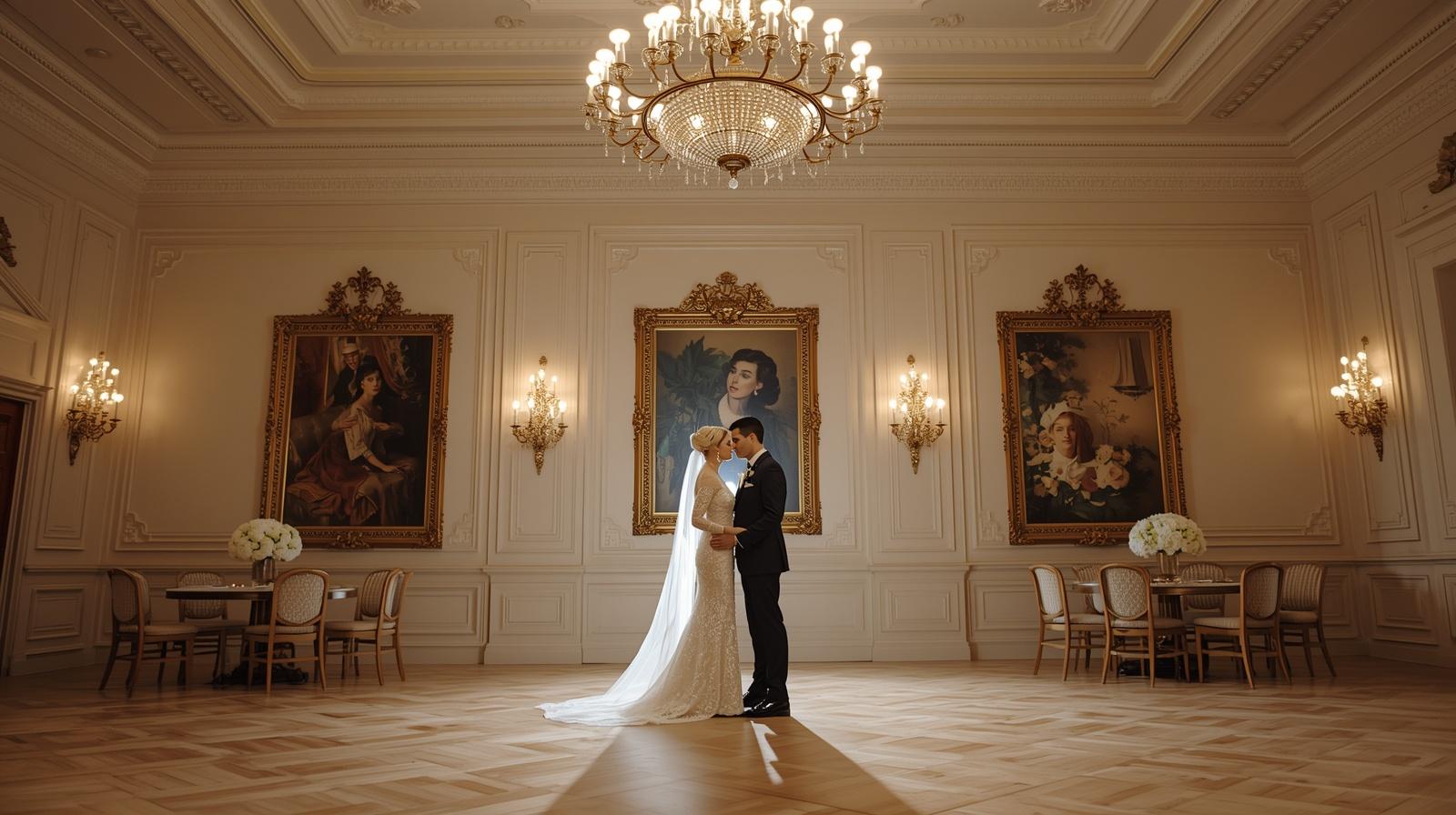
Houston couples are often surprised by how early prime dates disappear, especially for Saturday weddings in March–May and October–November. If you plan to book wedding venue space during these popular seasons, start earlier than you may expect. From our venue team’s perspective in the Houston area, the biggest difference between booking 6 months out and 14 months out comes down to flexibility. Your date, season, and guest count all affect availability. If you want the widest choice of wedding reception venues, floor plan options, and vendor availability, start your planning timeline with the venue. Don’t begin with the color palette or invitation suite. At Grand Central Houston, we regularly speak with couples who are surprised to learn that popular spring and fall wedding dates can disappear more than a year in advance. The Short Answer: Recommended Booking Windows for Houston Most couples book 9–18 months out in Houston, and 12–18 months is ideal for peak-season Saturdays. If you have a specific Saturday in spring weddings or fall weddings, it’s normal to see venues booked more than a year ahead. Timing varies because Houston demand is not one-size-fits-all. Seasonality, the day of week, guest count, and venue type (ballroom vs. garden vs. hotel) all change how quickly calendars fill. Set expectations early: popular dates can book 12–18+ months out, while off-peak season dates and weekdays often have more availability. A Friday wedding or Sunday wedding can also open doors to venues you assumed were “fully booked.” Quick Booking Timeline by Wedding Type Why the Venue Should Be Your First Big Booking The venue often sets the date, and the date drives everything else. A well-structured wedding planning timeline can help couples understand why venue selection typically comes before most other major decisions Once you book wedding venue space, your photographer, wedding planner, caterer, and entertainment team can confirm availability and provide accurate pricing. The venue also shapes a large part of your budget. Venue rental, catering rules, bar packages, staffing, security, cleanup, and rentals all affect the final cost. As a result, two venues with the same base rate can produce very different totals. Capacity is another hidden factor. A 220-guest wedding has far fewer venue options than a 110-person celebration. Because of that, larger weddings often require earlier booking. Indoor venues are especially popular in the Houston area. They reduce weather-related concerns and provide more planning certainty. Many couples choose an indoor venue or ceremony space to avoid last-minute stress caused by heat, humidity, or sudden storms. What We See Most Often at Grand Central Houston Couples who book 12–18 months out typically have the most flexibility on dates, vendor choices, and floor plan options. They also have more time to compare flexible event layouts, especially when choosing between multiple ballroom spaces. A common mistake is waiting to finalize every detail before securing a venue, when the venue is the detail that unlocks the rest. Once the date and space are locked, decisions like catering style, timeline, and rentals become simpler and faster. Houston Timing Factors That Change How Early You Should Book Seasonality matters more in Houston than many couples expect. Spring and fall demand is higher, while summer weddings and winter weddings can be more flexible, especially outside holiday weekend dates. Day-of-week pricing and availability also shift the equation. Saturdays go first, while Fridays and Sundays often remain open longer and may come with more negotiating room on event time or inclusions. Guest count changes the timeline because larger weddings have fewer workable venues. If you need a ballroom with real capacity, comfortable circulation, and parking, you should start earlier than a couple hosting a micro wedding. Venue category plays a role, too. Ballrooms, barns, historic venues, hotels, and gardens book differently based on how many dates they can host, noise curfews, load-in and load-out rules, and whether they have in-house infrastructure. Peak Months and High-Demand Dates to Watch March–May and October–November tend to be the fastest to book in Houston. Those windows have the strongest demand for comfortable temperatures and predictable guest travel. Holiday weekend dates and culturally popular dates can compress availability even further. If your family is aiming for a specific weekend, plan for fewer choices and faster decision-making. Why Indoor Ballrooms Often Book Earlier in Houston Houston weather plays a significant role in venue demand. Outdoor ceremonies can be beautiful, but many couples prefer indoor ballrooms. These venues eliminate concerns about heat, humidity, sudden rain, and last-minute weather changes. An indoor ballroom creates a more predictable experience for couples and guests. Climate-controlled spaces, built-in infrastructure, and weather protection simplify planning. As a result, couples can focus on celebrating instead of worrying about backup plans. Because of these advantages, many indoor wedding venues in Houston experience strong demand during peak wedding seasons. For couples planning to book wedding venue space, availability is an important consideration. Weather-proof venues often have less availability than expected, especially during spring and fall. Starting your venue search early gives you access to a wider selection of dates and floor plan options. Indoor vs. Outdoor Considerations in Houston Weather Houston weather pushes many couples toward a weather-proof venue, even if they still want outdoor photos. Heat, humidity, and sudden storms can turn a “perfect plan” into a stressful pivot if there’s no covered backup. If you want an outdoor ceremony or garden portraits, ask about a rain plan in writing. You should also ask how quickly the venue can flip to an indoor ceremony space, and what the staffing plan looks like if weather changes within an hour of start time. A Step-by-Step Venue Booking Plan (From Search to Signed Contract) Start with non-negotiables: a date range (not a single date), a guest count range, a budget range, and a preferred style. If you’re comparing a luxury wedding atmosphere with high-end design and finishes versus a more rustic space, decide what actually affects your guest experience. Build a venue shortlist and tour efficiently. You’re not only comparing aesthetics, you’re comparing

Common Mistakes Couples Make When Choosing a Wedding Venue in Houston
Wedding venue mistakes are one of the biggest reasons Houston couples end up stressed before their wedding day even arrives. Most regrets are not about flowers or playlists, they come from venue decisions that looked perfect in photos but fell apart under real-world pressure like traffic, humidity, and tight timelines. If you want your day to feel effortless for guests and vendors, the smartest move is treating your wedding venue like an operations hub, not just a backdrop. Start With the Right Inputs: Budget, Guest Count, and Priorities Your venue choice quietly controls the rest of the budget because it dictates catering options, rentals, staffing levels, transportation, and even how long you’ll need vendors onsite. A “good deal” venue can turn expensive fast once you add shuttles, extra bars, security, or rentals that a more inclusive space would have provided. Lock a realistic guest count range before you tour anything. Even a 20-person swing changes capacity needs, table spacing, bar lines, and whether a room feels full or awkwardly empty. Create a short priorities list before you inquire: must-haves, nice-to-haves, and dealbreakers. Common dealbreakers in Houston include parking, a true indoor option, end time restrictions, and vendor flexibility if you prefer not to work from a preferred vendor list. One of the quickest ways to get overwhelmed is emailing 20 venues with no tracking system. If you don’t log pricing, minimum spend, and restrictions in one place, every tour starts to blur together and you’ll miss hidden fees. A Simple Shortlist Method to Avoid Decision Fatigue After your first filter, limit your shortlist to 5 to 8 venues. Filter by capacity, date availability, style, and a realistic budget range, not aspirational pricing you “might make work.” Use a comparison sheet after every venue tour. Track total estimated cost, what’s included, restrictions, and logistical notes like setup window, teardown timing, and whether the ballroom layout supports flexible event layouts. If you want a starting point for budgeting, keep a bookmarked reference for local pricing patterns. Grand Central’s breakdown of what couples typically spend is a helpful baseline for building your own numbers: their Houston venue cost guide. Houston Reality Check: Traffic, Distance, and Guest Mix Houston traffic is not a small detail, it’s one of the most overlooked wedding venue mistakes couples make when planning a Houston wedding. A venue that looks central on a map can still create a frustrating guest experience if timing and traffic patterns are ignored. A centrally located Houston venue can still feel “far” if most guests are staying near Downtown Houston, The Galleria, or the Texas Medical Center and your timing hits peak congestion. Ask where your guests will likely stay and map drive times at the same hour as your ceremony start. A venue in The Heights might be a quick hop at 2 PM and a headache at 5 PM, especially if you’re pulling guests from the Museum District, Rice Village, West University Place, or River Oaks. Out-of-town convenience matters more than couples expect. Check nearby accommodations, hotel block options, and how realistic rideshare availability is at the end of the night, especially for guests flying into Hobby Airport or George Bush Intercontinental Airport. Mistake: Choosing a Venue Based Only on Photos and Aesthetics Photos don’t show room flow, acoustics, or how lighting changes after sunset. They also rarely show restrooms, back-of-house space, or whether guests will bottleneck at entry points during cocktail hour. A space can be gorgeous and still fail operationally. Tight vendor access, narrow hallways, limited staging areas, and an unrealistic ceremony flip can turn a calm timeline into a scramble. Guest comfort needs to be a primary selection factor, not an afterthought. If the room is too warm, the bar lines are long, or seating feels cramped, that’s what people remember, even in a luxury wedding atmosphere with high-end design and finishes. What to Look for on a Walkthrough (Beyond the Ballroom) Start outside, not inside. Look for parking flow, a valet staging area, safe lighting in the lot, and clear ADA access routes from arrival to the main entrance. Then check vendor operations. Ask where the vendor entrance is, how far it is from the truck to the ballroom, whether there’s an elevator, and if there’s a real catering prep area or kitchen that can support your menu. Inside the room, verify comfort and power. Confirm climate control, power availability for band or DJ setups, and whether cocktail hour circulation will work without guests crowding the bar or blocking the dance floor. Houston-Specific: Heat, Humidity, and Sudden Storms If any part of your event is outdoors, don’t accept “we’ll figure it out” as a rain plan. Confirm covered transitions, indoor backup spaces, and heat mitigation like shade, fans, and hydration stations for humidity-heavy months. Storm season is not theoretical here. A weather-proof venue with an indoor venue option keeps your timeline intact when pop-up storms hit right before ceremony time. Mistake: Not Touring Properly, or Skipping a Tour Entirely One of the biggest wedding venue mistakes couples make is relying too heavily on virtual tours. A virtual tour is useful for narrowing options, but it can’t replicate scale, noise, traffic flow, or neighborhood context the way an in-person walkthrough can. You won’t hear nearby traffic, notice awkward smells, or feel how long the walk is from parking to the entrance. Tour at a similar time and day to your wedding whenever possible. That’s how you’ll truly gauge traffic patterns, parking pressure, and what the lighting looks like during key moments like ceremony and first dance. Bring the right decision-makers to reduce backtracking. A partner, wedding planner, or trusted family member can catch issues you miss and help you compare venues more objectively.Tour Questions That Prevent Surprise Costs Ask for a clear list of what’s included. Tables, chairs, linens, security, cleaning, setup and teardown hours, and on-site staff can shift your all-in cost more than couples expect. Clarify overtime fees, minimum spend rules, and vendor policies. Some venues require
What’s Included in a Houston Wedding Venue Rental? A Practical Breakdown
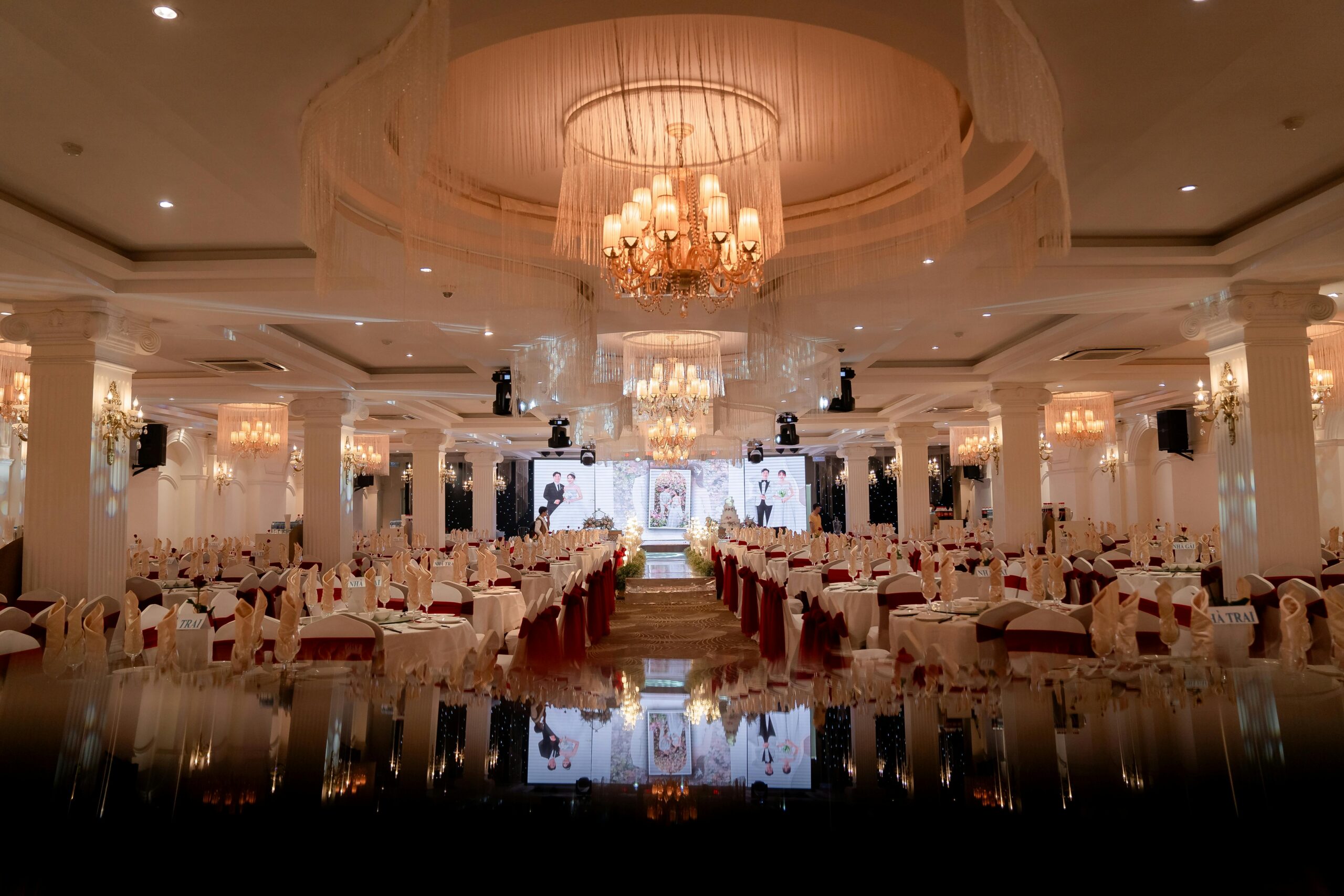
Most “surprise” wedding costs in the Houston area come from one place: assuming the venue rental fee includes labor, rentals, and logistics when it really only covers the room and the hours. If you’re comparing wedding venue rentals in Houston, this guide will help you understand what the wedding venue rental actually includes, which services cost extra, and what details you should confirm in writing before signing a contract. Start With the Key Distinction: Venue Rental vs. Full-Service Venue A venue rental is usually space plus time. You’re paying for access to the ceremony space, reception hall, and any other areas listed, for a defined block of hours. A full-service venue is different because it bundles more of the wedding into event packages. That can include catering, bar service, staffing, rentals, and sometimes day-of coordination. The tricky part of a wedding venue rental is that a lower base price can quickly turn into a higher total cost once you add tables, chairs, linens, staffing, security, and cleanup services. Many couples compare wedding venue rentals by the rental fee alone and overlook required add-ons that significantly increase the final budget. Set expectations early during the wedding venue rental process by requesting a detailed line-item breakdown before signing the contract. If a venue cannot clearly explain included services, optional upgrades, and mandatory fees, the wedding venue rental may create planning and budgeting problems later. A Quick Checklist to Classify Any Houston Venue Offer Ask one direct question about the wedding venue rental: does the price include food and bar service, staffing, rentals, and coordination, or does it only cover the room and event hours? Then confirm the wedding venue rental inclusions in writing. Request a list of included services, exclusions, required vendors, and the preferred vendor list if the venue provides one. If the wedding venue rental requires in-house catering, a specific bar team, or a designated AV company, include those costs in your total budget. Required vendors can raise the final wedding venue rental cost just as much as the base rental fee. For a clearer way to compare venue pricing, this guide to Houston wedding venue costs breaks down the major pricing factors based on season, guest count, and included services. What Spaces Are Typically Included (and How to Confirm Access) Most Houston wedding rentals include some combination of: Some wedding venue rentals advertise multiple ballroom spaces, but the contract may only include one event room. Ask which areas the wedding venue rental reserves exclusively for your event and which spaces guests may share with other events happening at the venue. Houston weather makes indoor vs. outdoor details matter. If you love an outdoor ceremony space, confirm the indoor venue option (weather-proof) and how quickly the venue can flip to the backup plan. Guest flow is another detail that’s easy to miss on a tour. Ask where guests enter, where they queue, where they mingle during cocktail hour, and how they transition into the ballroom without bottlenecks. Ballroom Layout Reality: Capacity vs. Comfort Two wedding venue rentals may both advertise a capacity of 200 guests, yet one ballroom feels spacious while the other feels overcrowded. The difference usually comes down to dance floor size, buffet placement, bar setup, and whether the wedding venue rental has enough room for a stage or live band. Request a sample floorplan for your actual guest count and preferred table style before booking the wedding venue rental. Round tables, long banquet tables, and mixed seating layouts all change the footprint and guest flow inside the ballroom. If you want a better understanding of ballroom capacity, this guide to ballroom wedding capacity explains what affects guest comfort, traffic flow, and overall layout beyond the number listed in the venue brochure. If you’re planning a wedding for around 100 guests, this guide to 100 guest wedding venues in Houston can help you compare layouts, guest flow, and ballroom sizes that work well for that event size. Bridal Suite and Groom’s Lounge Details That Matter A bridal suite and groom’s lounge can improve the overall wedding venue rental experience, but the details matter. Confirm whether the wedding venue rental includes private access, mirrors, restrooms, seating, electrical outlets, and permission for food and drinks inside the suites. Ask when the wedding venue rental opens the bridal suite and groom’s lounge on event day. Some venues only provide access shortly before guest arrival, which may force the wedding party to get ready off-site. Also confirm whether the wedding venue rental includes the suites in the base price or charges them as add-ons. Some venues include a basic holding room but charge extra for a larger bridal suite with upgraded finishes and additional amenities. Time, Access, and the Fine Print on Hours Most venue rentals are sold as a time block, not “the whole day.” That block has to fit setup time, guest arrival, ceremony, reception, and breakdown. A typical timeline might include: Overtime fees are where budgets get squeezed. Ask the venue’s hard stop times for music cutoff, bar cutoff, and final venue exit time, since they may differ. Also confirm whether early access is included. If your florist needs two extra hours for an installation, that can mean either paying overtime or paying for an earlier start. Vendor Access and Load-In Logistics Vendor access may not sound important during a venue tour, but it can completely affect a wedding venue rental on event day. Ask about loading docks, freight elevators, door widths, and the distance between vendor parking and the ballroom entrance. Confirm the wedding venue rental load-in and load-out rules, including vendor parking access and whether vendors must move vehicles after unloading equipment. If the wedding venue rental sits in a busy downtown corridor or a tight urban location, these restrictions can impact the entire event timeline. Many wedding venue rentals require insured vendors. Ask what insurance coverage the venue requires and whether vendors must provide a certificate of insurance before the wedding day. Furniture, Rentals, and What “Included Tables and Chairs” Really